

Currently Empty: ₹0.00



Uncategorized
Skill Development: 10 Career Benefits of Continuous Learning and Skill Development

Skill Development is changing faster than ever. New technologies, evolving job roles, and changing customer expectations are creating new opportunities while also increasing competition. In this environment, completing your education or getting your first job is no longer the end of learning. Continuous learning and skill development have become important parts of building a successful and sustainable career. Continuous learning means regularly gaining new knowledge, improving existing abilities, and staying familiar with developments in your industry. It can include taking an online course, learning new software, attending a workshop, reading industry-related content, practicing communication skills, or learning directly from experienced professionals.
Skill development does not always require a major career change. For example, a professional may learn a new productivity tool, improve presentation skills, understand artificial intelligence tools, or develop better problem-solving abilities. Whether you are a student, fresher, experienced employee, freelancer, or someone planning a career transition, developing a habit of learning can help you become more confident and adaptable.
Here are 10 important career benefits of continuous learning and skill development.
Table of Contents
1. Improves Your Professional Skills
One of the most direct benefits of continuous learning is improved professional ability. Every industry requires specific technical and practical skills, and these requirements can change over time. For example, a content professional may initially focus on writing and editing. Later, learning SEO, content management systems, analytics, documentation tools, or basic HTML can make that person more versatile in skill development.
Similarly, an accountant may benefit from learning updated accounting software, while a marketing professional can improve their career prospects by understanding analytics and digital marketing platforms. Regular learning allows you to strengthen the skills you already have while adding new ones to your professional toolkit.
Instead of depending only on what you learned during college or your first job, you can continue improving throughout your career after skill development.
2. Helps You Adapt to Workplace Changes
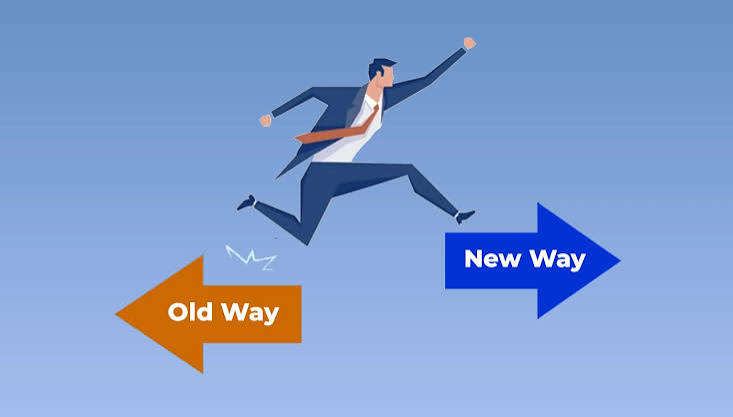
Cloud platforms, automation, artificial intelligence, collaboration tools, and digital communication have changed many traditional workflows. Employees who are willing to learn new systems can usually adjust more easily when their workplace introduces new technology or processes. For example, a company may replace an old software application with a cloud-based platform in skill development.
Adaptability is valuable because workplaces rarely remain exactly the same for many years. Roles, responsibilities, tools, and expectations can all change. Continuous learning prepares you to respond to these changes instead of feeling unprepared when something new appears.
3. Creates Better Career Opportunities
Suppose you work in a particular field and develop an additional skill that is valuable in another role. You may become eligible for internal opportunities, new positions, freelance projects, or even a different career path. For example, someone with writing experience who learns technical documentation may explore technical-writing opportunities after skill development.
A designer who learns basic user-experience principles may become suitable for UX-related roles. The more relevant skills you develop, the more ways you may be able to use your professional experience. However, learning should be strategic. Instead of collecting certificates without practicing the skills, focus on knowledge that matches your career goals and demonstrate what you can actually do after skill development.
4. Increases Confidence at Work

Learning can also improve professional confidence. When you understand your work and know how to use the tools required for your role, you may feel more comfortable participating in meetings, asking questions, solving problems, and communicating with colleagues.
Confidence does not mean knowing everything.
It means being comfortable with learning, making mistakes, receiving feedback, and improving. For example, a professional who learns presentation techniques may feel more confident when speaking in front of a team. Someone who improves their business writing skills may feel more comfortable preparing emails, reports, and documentation. Small learning achievements can gradually create greater confidence.
5. Makes You More Valuable to Employers

Employers generally need people who can contribute to changing business requirements. Employees who continuously improve their knowledge can bring additional value to their teams.
Imagine two employees with similar job experience. One continues learning industry trends, improves technical skills, and explores new tools in skill development.
The other depends only on skills learned several years ago. Over time, the first employee may become more capable of handling new responsibilities. For example, if your organisation increasingly uses automation, understanding basic automation concepts may help you work more efficiently. Being willing to learn can demonstrate initiative and a growth-oriented attitude after skill development.
6. Supporters Career Growth and Promotion
Continuous learning can help you prepare for these responsibilities. An employee interested in a leadership position might develop skills such as communication, project management, delegation, decision-making, and conflict resolution. Someone interested in a senior technical position may focus on advanced technical knowledge, troubleshooting, documentation, and industry certifications after skill development.
Learning does not guarantee a promotion, but it can help you become better prepared when an opportunity becomes available. Instead of waiting until a promotion is announced to start preparing, identify the skills required for your desired position and begin developing them early.
This creates a more intentional approach to career development.
7. Keeps Your Knowledge Relevant

Industries change continuously. Information that was useful several years ago may become outdated or may need to be combined with newer knowledge. Continuous learning helps professionals stay informed about developments in their field. For example, digital marketing has changed significantly with the growth of social media, automation, analytics, and AI-based tools. Similarly, software professionals regularly encounter new programming languages, frameworks, platforms, and development practices in skill development.
It means understanding which changes are important for your particular career.
You can stay informed through professional courses, industry publications, webinars, online communities, conferences, podcasts, and practical projects. Relevant knowledge can help you make better decisions and remain competitive in your field in skill development.
8. Improves Problem-Solving and Creativity
Learning is not only about technical knowledge. It can also improve the way you approach problems. When you learn about different methods, perspectives, and tools, you gain more ways to approach difficult situations. For example, a project manager who studies different project-management approaches may discover a better way to organise a complex project in skill development.
A writer who learns about audience research may develop more effective content ideas. Continuous learning can also encourage creativity because exposure to new information can help you connect ideas from different areas. You do not always need to study a subject directly related to your job. Learning communication, psychology, design, business, or another relevant discipline may provide useful perspectives that can be applied to your work in skill development.
9. Helps With Career Transitions
Changing careers can be challenging, especially when your existing experience does not perfectly match your target role. Skill development can help bridge that gap. For example, someone working in administration who wants to move into digital marketing might learn SEO, content creation, social media marketing, and analytics. A person with general writing experience who wants to enter technical writing might learn documentation structures, technical concepts, API documentation, and documentation tools in skill development.
The transition may still require practical experience, but targeted learning can make the process more manageable. A good approach is to identify the requirements of your target job and compare them with your current skills. This creates a personal skill gap that you can work on step by step.
10. Builds Long-Term Career Resilience
Perhaps the biggest benefit of continuous learning is long-term career resilience.
No career remains completely predictable. Companies restructure, technologies change, industries evolve, and new types of jobs appear. Professionals who are comfortable learning new skills may find it easier to respond to unexpected changes in skill development.
Career resilience does not mean preparing for every possible future. Instead, it means developing the ability to learn, adapt, and continue moving forward. For example, if a particular tool becomes less popular, a professional with strong fundamental skills and a habit of learning can transfer their knowledge to another tool more easily. This mindset can be especially valuable during career transitions or periods of economic uncertainty.
How to Make Continuous Learning Part of Your Career
Knowing the benefits of learning is useful, but creating a practical routine is even more important. Start by choosing one specific career goal. Instead of saying, “I want to learn more,” define what you want to accomplish.
For example:
- Learn one professional tool within 30 days.
- Improve business communication.
- Complete an industry-related course.
- Build a portfolio project.
- Learn a skill required for a target job.
- Improve presentation or interview skills.
Next, create a realistic learning schedule. You do not necessarily need several hours every day. Even 20–30 minutes of focused learning can become valuable when practiced consistently.
Most importantly, combine learning with practice. Watching courses or reading articles provides knowledge, but applying that knowledge helps turn it into a usable skill. You can create a small project, solve a practical problem, write an example document, practice a presentation, or use the new tool in a real task. It is also useful to review your progress regularly. Ask yourself what you have learned, what you can now do that you could not do before, and what skill you should develop next.
Conclusion
Continuous learning and skill development are no longer optional extras for many modern careers. They can help professionals improve their abilities, adapt to workplace changes, discover new opportunities, and prepare for future responsibilities. The goal is not to learn everything. It is to keep learning the right things at the right time.
A successful learning strategy combines relevant knowledge, regular practice, curiosity, and patience. Whether you are starting your career or already have years of experience, there is always an opportunity to improve. Your career can benefit from every useful skill you develop today. By making learning a regular part of your professional life, you can build stronger skills, greater confidence, and a more adaptable career for the future.
FAQs
1. What is continuous learning in a career?
Continuous learning means regularly gaining new knowledge and improving your professional skills throughout your career. It can include courses, workshops, self-learning, practical projects, and workplace training.
2. Why is continuous learning important for career growth?
Continuous learning helps professionals stay updated, improve their abilities, adapt to workplace changes, and prepare for new career opportunities.
3. How does skill development improve career opportunities?
Developing relevant skills can make you qualified for more job roles, responsibilities, projects, and career advancement opportunities.
4. Can continuous learning help with career changes?
Yes. Learning skills required in a new industry or profession can help bridge the gap between your current experience and your desired career.
5. Does continuous learning increase job security?
Continuous learning can improve career adaptability. Professionals who regularly update their skills may find it easier to respond to changing technologies, job requirements, and workplace conditions.
6. How can beginners start continuous learning?
Beginners can start by choosing one career-related skill, following a structured course, practicing regularly, and applying what they learn through small projects.
7. What skills should professionals learn for career growth?
The right skills depend on the career. Commonly useful areas include communication, digital skills, problem-solving, teamwork, leadership, technical skills, and industry-specific knowledge.
8. How much time should I spend on learning every day?
There is no fixed requirement. Even 20–30 minutes of focused learning each day can be useful when practiced consistently.
9. Is practical experience important along with learning?
Yes. Practical experience helps turn theoretical knowledge into usable skills. Projects, workplace assignments, internships, and real-world practice can strengthen what you learn.
10. How does continuous learning build a successful career?
Continuous learning helps you remain adaptable, improve your professional abilities, stay relevant in your industry, and prepare for future career opportunities.
Career Growth: 10 Powerful Ways to Turn Learning into Career Growth -
[…] industry trends, and developing problem-solving abilities can all contribute to professional skill development.The key is to follow a clear plan, practise consistently, and measure progress over […]