

Currently Empty: ₹0.00



Uncategorized
Learning New Skills from Home for a Brighter 2026
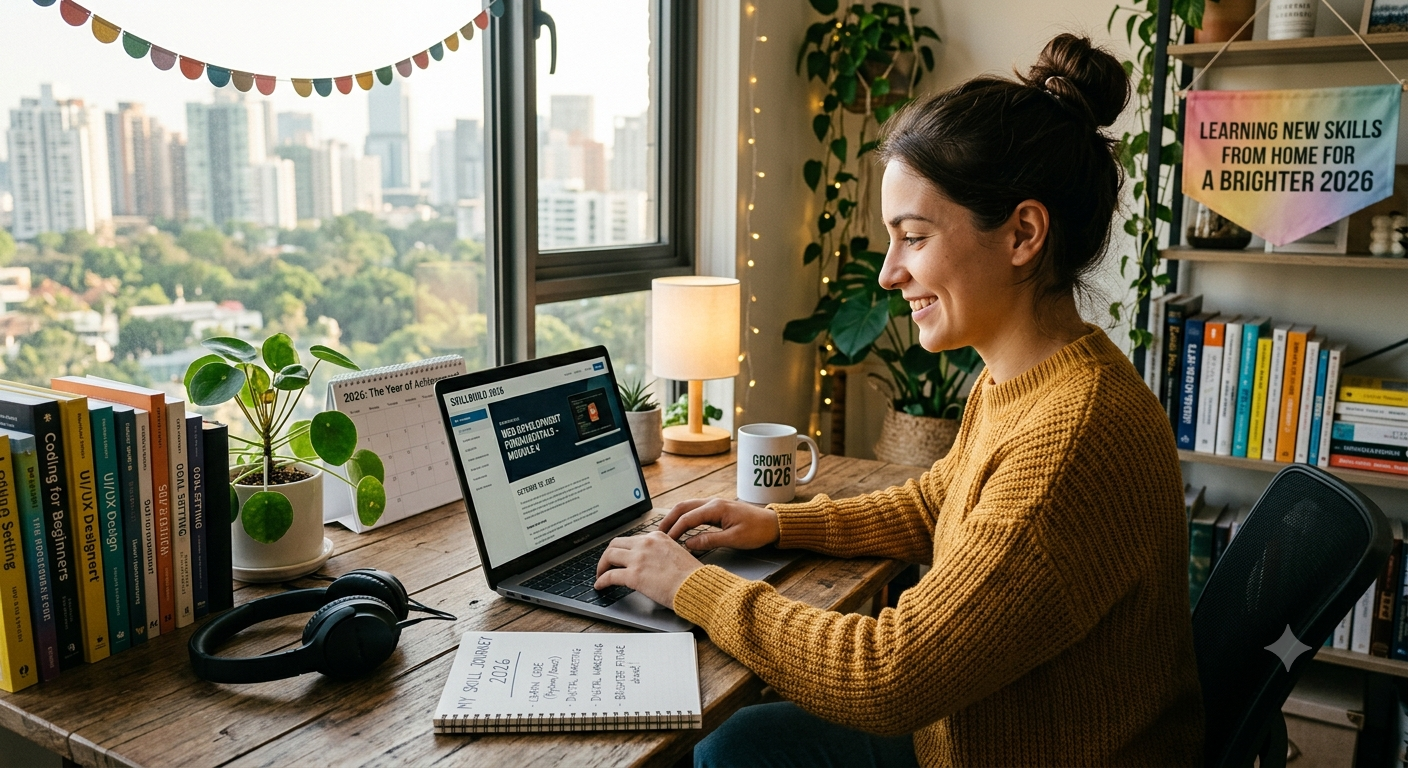
The way we work, communicate, and build careers is changing faster than ever. Learning new skills from home can be flexible, affordable, and highly effective. As technology continues to evolve and new opportunities emerge, developing valuable skills has become one of the best ways to prepare for the future. Fortunately, you no longer need to attend a traditional classroom or spend hours commuting to improve yourself.
Whether you want to advance your career, start a side business, change professions, or simply explore a personal interest, your home can become a powerful environment for growth. With online courses, digital communities, educational videos, podcasts, e-books, and practical projects available at your fingertips, 2026 can be the year you invest in yourself.
Table of Contents
Why Learning from Home Matters in 2026
The modern job market increasingly values adaptability. Employers want people who can understand new technologies, solve problems, communicate effectively, and continue developing their abilities.
One of the biggest advantages of learning from home is convenience. You can study early in the morning, during a lunch break, or in the evening after work. You can also choose a pace that fits your lifestyle rather than following a fixed classroom schedule.

Another advantage is variety. Instead of limiting yourself to courses available in your local area, you can access educational resources from institutions, professionals, and experts around the world.
Home-based education can also reduce costs. Many high-quality resources are free or significantly less expensive than traditional programs. This makes skill development more accessible to people with different budgets and circumstances.
Choose Skills That Match Your Goals
Before starting, think about what you want your new skills to accomplish. A clear goal makes Learning more focused and helps you stay motivated.
If your objective is career growth, consider skills that are relevant to your industry or desired position. Digital marketing, data analysis, project management, coding, graphic design, cybersecurity, and communication are examples of areas that can support many career paths.
If you are interested in entrepreneurship, you might explore sales, financial management, content creation, social media strategy, customer service, or website development.
Personal interests matter too. You might want to learn photography, cooking, writing, a foreign language, music, or another creative skill simply because it brings satisfaction.
The most useful skill is not necessarily the one that is currently trending. It is the one that aligns with your interests, strengths, and long-term objectives.
Create a Dedicated Learning Space
You do not need an expensive home office to create an effective study environment. A quiet corner, comfortable chair, reliable internet connection, and basic computer can be enough.

Try to keep your Learning area organized and free from unnecessary distractions. If possible, use the same location whenever you study. Over time, your brain can begin associating that space with concentration and productivity.
Keep your materials nearby, including notebooks, headphones, chargers, and any resources you regularly use. A clean environment can make it easier to begin a session without wasting time preparing.
Most importantly, establish boundaries. Tell family members or housemates when you need uninterrupted time, and silence unnecessary notifications while studying.
Build a Realistic Routine
One of the biggest challenges of studying at home is consistency. Without a teacher physically present, it can be tempting to postpone your plans.
Instead of setting an unrealistic goal such as studying for several hours every day, begin with a manageable routine. Even 30 minutes of focused Learning can produce meaningful progress when repeated consistently.
For example, you might dedicate 30 minutes to studying on weekdays and one longer session on the weekend. The exact schedule is less important than creating a routine you can maintain.
Break large goals into smaller milestones. Rather than saying, “I want to become a programmer,” set targets such as completing an introductory course, building a small project, and practicing a specific programming concept.
Small achievements create momentum and make long-term goals feel achievable.
Use Active Learning Techniques
Simply watching videos or reading articles is not always enough. Effective Learning requires active participation.
Take notes in your own words rather than copying everything you hear. After completing a lesson, try explaining the concept without looking at your notes. This helps reveal what you understand and what requires additional practice.
Practice is particularly important for technical and creative skills. If you are studying graphic design, create designs. If you are studying coding, write programs. If you are studying a language, speak and write it.
You can also use quizzes, flashcards, practice exercises, and real-world projects to reinforce information.
The goal is to move from consuming information to applying it.
Learn Through Practical Projects
Projects turn knowledge into experience. They also give you something tangible to demonstrate when applying for jobs, freelance opportunities, or internships.
Suppose you are learning digital marketing. Instead of completing courses without applying the material, create a sample marketing campaign for a fictional business.
If you are studying photography, develop a small portfolio. If you are learning web development, build a personal website.
Project-based Learning helps you discover how concepts work outside a textbook or video. It also exposes gaps in your knowledge, giving you clear areas to improve.
Do not worry if your first project is imperfect. Early mistakes are part of the process. Each project can become better as your skills develop.
Take Advantage of Online Communities
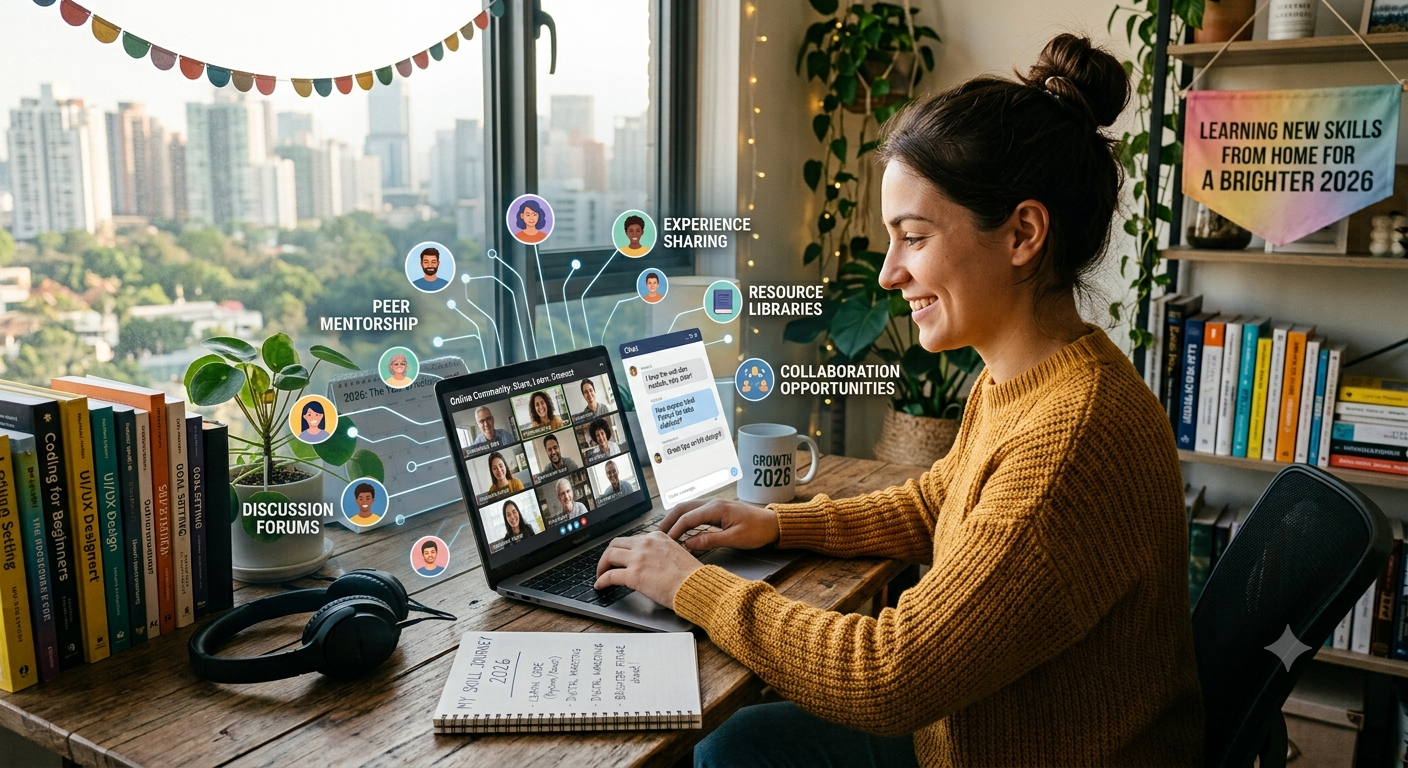
Studying alone does not mean you have to learn alone. Online communities can provide motivation, feedback, advice, and opportunities to connect with people who share your interests.
Look for discussion groups, professional communities, online classes, forums, and social media groups related to your chosen subject.
Asking questions can accelerate Learning because other people may offer explanations or approaches you had not considered.
You can also find an accountability partner. Agree to share weekly goals and progress with each other. Knowing that someone expects an update can make it easier to stay committed.
Balance Learning with Your Other Responsibilities
Many people struggle because they try to transform their entire schedule overnight. A better approach is to integrate education into your existing routine.
You might listen to an educational podcast while exercising or commuting. You could read a few pages during a break or complete a short lesson before bed.
However, avoid turning every free moment into study time. Rest is important. Creativity, concentration, and memory can suffer when you never give your mind a chance to recover.
Sustainable Learning is about consistency rather than exhaustion.
Give yourself permission to have slower days. Missing one study session does not mean you have failed. Simply return to your routine the next day.
Track Your Progress
Tracking progress can help you remain motivated when results are not immediately visible.
Keep a simple record of completed lessons, projects, practice sessions, or milestones. You could use a notebook, spreadsheet, calendar, or digital task manager.
Every few weeks, review what you have accomplished. Ask yourself:
- What can I do now that I could not do before?
- Which areas have improved?
- What concepts still confuse me?
- What should I practice next?
- Is my current approach helping me reach my goal?
This type of reflection makes learning more intentional and allows you to adjust your strategy when necessary.
Make 2026 Your Year of Growth
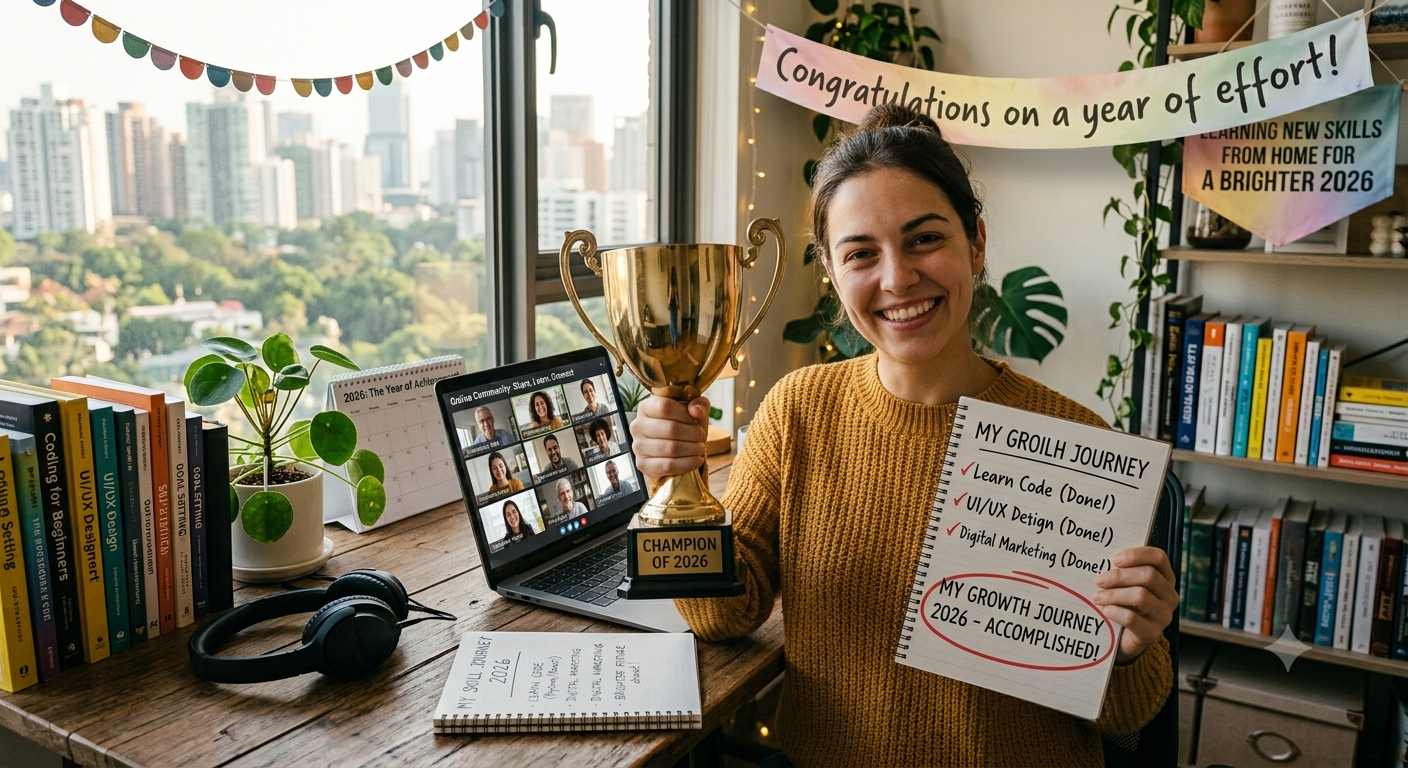
The future will continue to reward people who are willing to adapt. You do not need to master everything at once, and you do not need to become an expert immediately.
Choose one meaningful skill. Create a realistic schedule. Practice regularly. Build projects. Seek feedback. Then gradually expand your abilities.
The greatest benefit of Learning from home is not simply acquiring another certificate or adding another line to your résumé. It is developing confidence in your ability to grow.
When you become comfortable learning new things, change becomes less intimidating. New technologies, career opportunities, and challenges become opportunities to adapt rather than reasons to worry.
Your home can be more than a place to work and relax. It can also be your classroom, creative studio, practice space, and launchpad for your next opportunity.
As 2026 continues, there is no better time to begin. Start small, remain consistent, and focus on progress rather than perfection. The skills you develop today could open doors you cannot yet see.
FAQs
Q. Is Learning new skills from home effective?
A. Yes. Home-based education can be highly effective when you have clear goals, quality resources, regular practice, and a consistent routine. The key is to actively apply what you study rather than simply consuming information.
Q. What skills should I learn from home in 2026?
A. Consider skills that match your career goals and interests. Technology, communication, digital marketing, data analysis, design, coding, project management, languages, and business skills can all be useful depending on your objectives.
Q. How much time should I spend learning each day?
A. There is no universal answer. For many beginners, 30 to 60 minutes of focused study per day is a realistic starting point. Consistency usually matters more than studying for long periods occasionally.
Q. Can I learn valuable skills without paying for courses?
A. Absolutely. There are many free educational resources available online, including tutorials, articles, videos, podcasts, public lectures, and community discussions. Paid courses can provide structure, but they are not always necessary.
Q. How can I stay motivated while studying at home?
A. Set small goals, establish a routine, track your progress, and celebrate milestones. Working on practical projects and joining an online community can also make the experience more engaging.
Q. Is online Learning useful for career advancement?
A. Yes. Developing relevant skills can help you become more competitive, qualify for new responsibilities, or prepare for a career transition. Practical projects can also help demonstrate what you can actually do.
Q. What if I have very little free time?
A. Start with small sessions. Even 15 to 30 minutes can be productive when used consistently. You can also combine education with existing activities, such as listening to educational content while walking.
Q. How do I know whether I am actually improving?
A. Test yourself through practical exercises, projects, quizzes, or real-world applications. If you can perform tasks independently that previously required assistance, you are making progress.
Q. Should I focus on one skill or learn several?
A. Beginners often benefit from focusing on one primary skill first. Once you establish a foundation, you can add complementary abilities. This prevents your attention from becoming scattered.
Q. What is the biggest benefit of Learning from home?
A. Flexibility is one of the biggest benefits. You can choose what to study, when to study, and how quickly to progress. More importantly, developing the habit of continuous improvement can prepare you for future opportunities and changes.