

Currently Empty: ₹0.00



Uncategorized
Why Soft Skills Matter: 3 Powerful Ways Parents Can Build Resilient Kids at Home

Soft skills are the foundation of a child’s emotional and social development, directly fuelling their ability to adapt to challenges. Discover these actionable home-based strategies from parenting experts that teach kids to regulate emotions and build lifelong resilience.
Table of Contents
Introduction
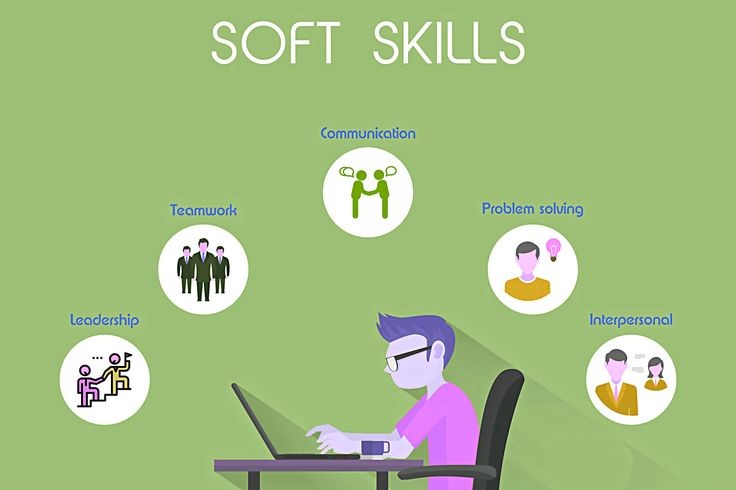
Time is changing the behaviour of society. Now, the focus of education is not only getting degrees and education; now, skills matter, and this is the reason it is important to build some soft skills in the child to make them ready for the future and to make them independent to solve the problems in the present. Parents, being the first teachers, and home, being the first school of a child, need to develop some soft skills in the child at an early age to make them confident.
Children also need the ability to communicate without hesitation, solve problems, gain analytical knowledge, work in teams, and face challenges with confidence. To get these soft skills, parents need to adopt strategies and actions. Schools play a special role in developing these skills in them, but it is the duty of parents also to make the students interact positively with people around them.
People find this word complex and think that learning these skills requires courses, but this is not the reality. Actually, these soft skills require only the correct guidance. Giving them responsibility in day-to-day work, conversation, and other family activities will help them to be confident; mature; problem solvers; emotionally and mentally smart; and adaptable.
This article has discussed 3 ways through which parents can develop these soft skills in children easily, so explore this article to help children build resilience for the future.
What are soft skills?
Soft skills are personal, social, emotional, and communication abilities that help people manage daily life and relationships effectively. These skills require more time than educational degrees, as they can be learnt through daily practices and experiences. These skills are important everywhere, whether you are working in a company, learning in schools or colleges, or in your usual daily life. A person who has such skills can handle every experience confidently.
Some important soft skills for kids are the following:
- Communication
- Emotional intelligence
- Resilience
- Problem-solving
- Teamwork
- Empathy
- Time management
- Decision-making
- Adaptability
- Self-confidence
In an easy way, if you want to understand how a person learns soft skills, these skills are developed when a child is talking with another child, solving his problem, or listening to his problem; at that time, they are developing these skills.
3 Powerful Ways Parents Can Build Resilient Kids at Home
Emotional Intelligence Through Open Communication
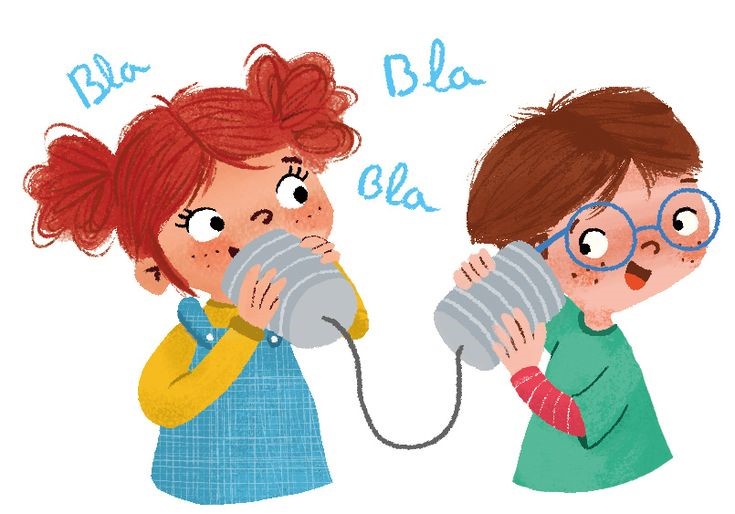
Emotional intelligence is the most important skill. A child should know how to communicate emotions, how to handle them, and what the reason for them is. Emotional intelligence means the student can understand what they are feeling inside, what the reason for it is, how they can tell it, and how it can be removed. Every human feels anger, sadness, anxiety, stress, frustration, etc., but as they are adults, they can handle it. But for children, a parent has to make them comfortable so that they can tell them about their emotions without hesitation.
Give time to children to listen to their feelings
A lot of parents just ask their children, “How was your day?” But they should ask about the instances a student can face in a day, like the following:
What is the most exciting thing you did today?
What were the problems you faced today?
Did anything happen that made you sad?
How did you solve a problem?
Parents should listen carefully and patiently to the answers of the student and should not react like, “This is not a reason to be sad.” Instead, they should provide comfort to children and should say, “I know this is wrong. What happened? But can you describe to me what is affecting you worse? How are you feeling? Is there any help I can do to reduce this feeling?”
Children will understand that their emotions matter to their parents, and from next time, they will personally tell them their feelings.
Teach children to identify their emotions
Children don’t know many words to express their feelings. They can express feelings like sad or happy, but exactly what they are feeling cannot be understood. So, parents should make them aware of other words like frustration, anxiety, anger, nervous, excited, and confused. So, next time, they can tell their parents exactly what they are feeling.
Encourages empathy
Parents should also develop a sense of empathy in children by asking them about how they feel their actions are affecting their fellow classmates, how they are concerned for them, and what they are thinking they can do to rectify that. So, these questions develop a sense of empathy in children.
Parents can also show this to their children by showcasing empathy in real life, as children learn soft skills by following their elders.
Build resilience by allowing children to face challenges

Resilience is the ability to recover from difficulties and continue moving forward. It does not mean stopping children from being sad but means making them ready to face any consequences of life. It is a part of soft skills learning to give kids the confidence to tackle problems in the future. Parents should teach these children that problems are part of life, and they should be efficient enough to tackle the problems confidently and fearlessly.
Solve the problem with patience
Parents, to develop soft skills for kids, should not solve the problem immediately. It is very common for a parent to see their children in stress and solve the problem for them, but instead of this, they should provide only guidance to them and give them time to solve their problems so that they do not become dependent on them in the future. This can be developed through home learning easily by giving them easy tasks and giving them a way to handle the problem patiently.
Mistakes are a chance to learn
It’s not only children, but there are a lot of people who also stop themselves from trying anything because of the stress and fear of mistakes, but they should understand that mistakes are a part of life. It means at least you are trying rather than being a mere watcher. You are doing something, and it’s a chance for you to learn from the mistakes. Parents should develop these soft skills for kids to make them understand that these mistakes are a chance for them to improve and not make such mistakes in the future.
It’s really important to develop such skills through home learning, as kids are less fearful at home, and they would try to do things without the fear of mistakes. If any mistake happens, parents can guide them that these are only a part of life and they should learn from them for next time.
Encourages efforts
Parents should also encourage the efforts. They should not only focus on success. Sometimes, due to many factors, a child’s hard work goes in vain, and parents show strict behaviour towards them. But to rectify this, parents should also celebrate the child’s hard work and efforts. This skill learning is more on the parents’ side than the child’s. This skill learning helps the child to learn that it’s important to make efforts. Results can be whatever, but making an effort itself is a great initiative.
Develop responsibility, communication, and teamwork
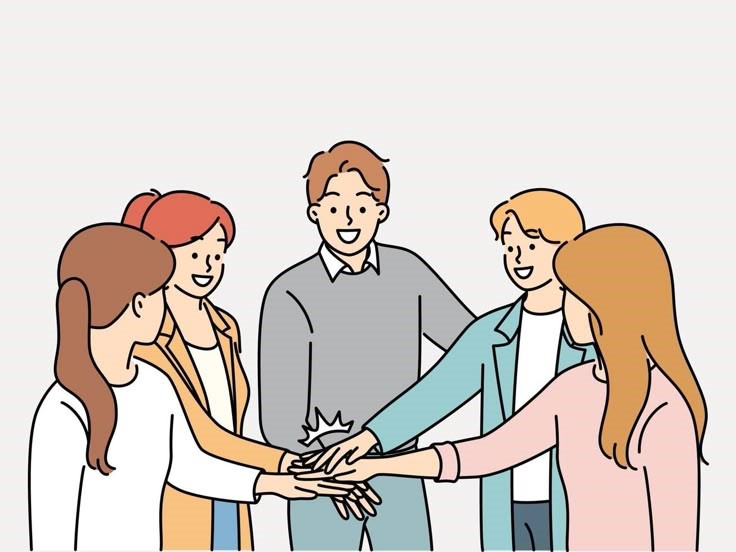
Children can learn soft skills like responsibility, communication, and teamwork through home learning. It is the best way to develop these soft skills for kids. Everyday tasks at home teach responsibility and accountability to kids.
Responsibility According to Age
Giving home tasks does not mean giving all the cleaning and cooking. It only means the tasks that they can do easily. Parents should give age-appropriate tasks to give them soft skills learning through home learning. Giving them tasks like:
Organise your study material
Keep their room tidy
Take care of personal things
Give their tiffins and water bottles to parents to clean or clean them themselves
These provide skill learning to students to handle the tasks independently and responsibly, and a family bond can be created in them.
Teamwork at Home
When they do all the things together, they can easily develop a sense of teamwork. Families should do work like cleaning the home together on Sundays, making food together on Sundays, or planting trees together. These activities form skill learning of teamwork in them.
Teach communication.
Family discussion is really the easiest way of developing communication abilities in children through home learning. Children are free to communicate at home, so parents can make activities, like keeping an extra half hour daily to talk with the whole family together. This gives them soft skills learning, like communication and teamwork, and as this makes it easy for them to talk about problems and mistakes without fear of their family.
Conclusion

Soft skills are really important today. As the world is changing with time, children now need special skills training like communication, teamwork, and responsibility to stand with everyone in the future. Various soft skills for kids are mentioned in this article. Skill learning is the need of the future, as now everyone is focusing on skills rather than mere degrees and education certificates. Children are also required to talk with confidence about their views.
Parents can develop resilience in children through home learning, as home is the first school and parents are the first teachers for students. Parents can give time to children to talk with them about their daily experiences, help them in solving problems by providing the right guidance, and give them opportunities to handle the daily tasks of their homes responsibly according to their age.
In this article, we discussed the actions a parent can take to develop skills in children. Children are the future of a country, and it is important to make the future of the country bright and aware.
FAQs
What are soft skills?
Soft skills are personal, social, emotional, and communication abilities that help people manage daily life and relationships effectively.
What are the other emotions besides sadness and happiness?
Frustration, anxiety, anger, nervous, excited, confusion, etc.
How can children do the tasks at home?
Parents should give age-appropriate tasks to give them soft skills learning through home learning.
What are the kids’ appropriate tasks?
Organise your study material
Keep their room tidy
Take care of personal things
Give their tiffin and water bottles to parents to clean them or clean them themselves.
5 Powerful Ways Overusing AI Prompts Can Harm Students’ Creativity and Critical Thinking -
[…] goal of the essay was to develop the writing, thinking, and creative soft skills of students, which is discouraged by AI, as AI has provided all the information. This essay can be […]
5 Remarkable Reasons Why the Importance of Education Matters for Personal and Social Development -
[…] learning from books; it is about getting the learning of life. Education is all about learning soft skills during their educational life. Critical thinking helps a student to analyse different sources, […]