

Currently Empty: ₹0.00



Uncategorized
Technology: 10 Ways Technology Can Improve Student Education
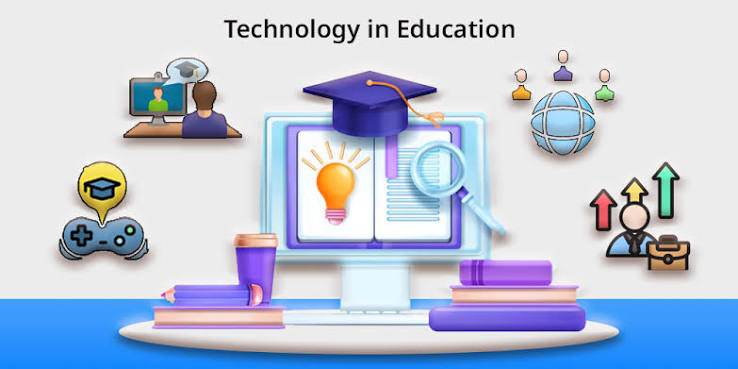
Technology has changed the way students learn, communicate, and access information. From online classrooms and educational apps to artificial intelligence and digital libraries, technology has made education more flexible and interactive than ever before. Students are no longer limited to textbooks or classroom lectures. They can explore subjects through videos, simulations, online courses, and interactive learning platforms.
When used effectively, technology can support teachers while helping students learn at their own pace. It can also provide access to educational resources that may not be available in traditional classrooms.
Here are 10 ways technology can improve student education and create a more engaging learning experience.
Table of Contents
1. Makes Learning More Interactive

Traditional teaching methods often depend on textbooks, lectures, and written assignments. While these methods remain useful, technology can make lessons more interactive.
Teachers can use videos, animations, quizzes, presentations, virtual demonstrations, and educational games to explain difficult concepts.
For example, a science teacher can use an animation to demonstrate how the human digestive system works instead of relying only on a textbook diagram. Interactive content can encourage students to participate actively instead of simply listening to a lesson. Educational games can also make learning more enjoyable. Students can solve problems, answer questions, and receive immediate feedback while learning.
Benefit: Interactive learning can help students understand complex topics in a simple and engaging way.
2. Provide Access to Online Learning Resources
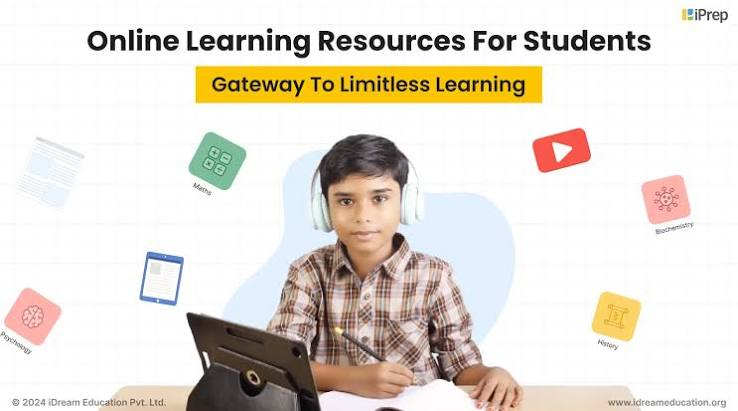
The internet gives students access to a huge range of educational resources. Students can find e-books, research papers, tutorials, educational videos, online courses, digital libraries, and practice exercises. This is particularly useful when students want to learn beyond their school or college curriculum.
For example, a student studying mathematics can watch an additional tutorial about algebra if they find a particular topic difficult. Another student interested in programming can take an online course to learn a programming language. Digital resources also allow students to revisit lessons whenever they need additional practice.
Benefit: Students can access educational information beyond their traditional classroom materials.
3. Supports Personalised Learning
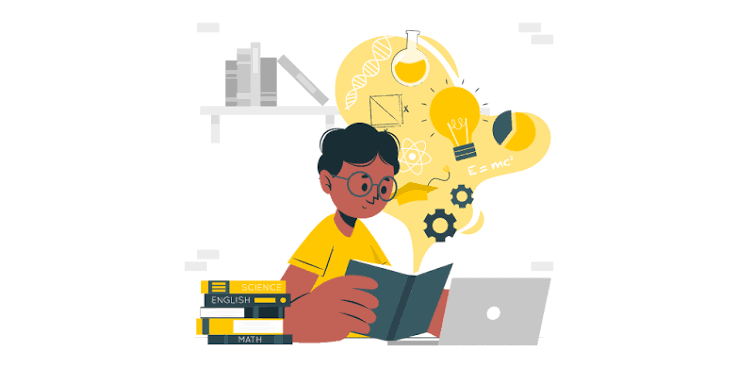
Every student learns differently. Some students understand concepts quickly, while others need more time and practice. Technology can support personalised learning by allowing students to learn according to their individual needs. Many digital learning platforms provide different levels of exercises, quizzes, and educational materials.
Students can repeat lessons, pause videos, review explanations, and complete additional practice. For example, a student who struggles with grammar can spend extra time practicing grammar exercises, while another student can move ahead to more advanced topics. Some modern learning platforms also use data and artificial intelligence to recommend learning materials based on a student’s progress.
Benefit: Personalized learning can give students more control over their learning pace.
4. Makes Communication Easier
Technology has made communication between students, teachers, and educational institutions faster and easier. Teachers can use email, learning management systems, messaging platforms, and video conferencing tools to communicate with students.
Students can ask questions, submit assignments, receive feedback, and participate in discussions without always needing to be physically present in a classroom. For group projects, students can collaborate through shared documents, online meeting platforms, and project management tools. This can be particularly useful for students who participate in online or hybrid education.
Benefit: Digital communication helps students and teachers stay connected and collaborate more efficiently.
5. Enables Flexible Learning
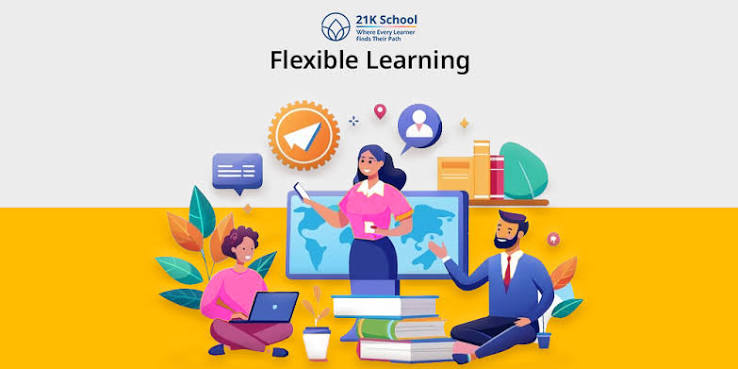
One of the major advantages of technology is flexibility. Students can often access digital learning materials from computers, tablets, or smartphones. This means learning does not always have to take place inside a classroom at a fixed time. For example, a student can watch a recorded lecture in the evening, complete an online quiz during the weekend, or review digital notes before an examination.
Online education can also help students who cannot regularly attend traditional classes because of distance, travel, or other responsibilities. However, flexibility requires good time management. Students need to create a study routine and avoid distractions while using digital devices.
Benefit: Technology can make education more accessible and adaptable to different schedules.
6. Provides Instant Feedback

Feedback is an important part of the learning process. Students need to know which answers are correct and where they need improvement. Many educational platforms provide instant feedback through online quizzes and assessments. Instead of waiting several days for an assignment to be evaluated, students may immediately see their results.
For example, an online mathematics quiz can show whether an answer is correct and sometimes provide an explanation of the solution. Teachers can also use digital assessment tools to identify areas where students are struggling. Immediate feedback allows students to correct mistakes and continue practicing.
Benefit: Faster feedback can help students identify weaknesses and improve their understanding.
7. Encourages Collaboration

Technology can help students work together even when they are in different locations.
Cloud-based documents, online discussion boards, video meetings, and collaboration platforms allow students to share ideas and work on assignments together. For example, four students working on a presentation can create a shared document, divide responsibilities, add research, and review each other’s contributions.
Digital collaboration also teaches students important workplace skills such as communication, teamwork, file sharing, and online coordination.
These skills can be valuable when students enter higher education or professional environments.
Benefit: Collaborative technology helps students develop teamwork and communication skills.
8. Improve Access to Visual and Practical Learning
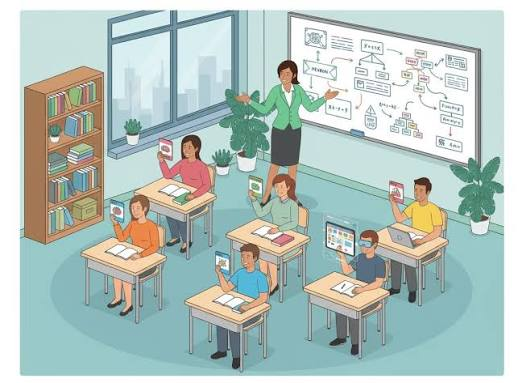
Some subjects are difficult to understand through written explanations alone. Technology can provide visual and practical experiences that make these subjects easier to understand.
Animations, simulations, virtual laboratories, 3D models, and educational videos can help students visualise concepts. For example, students studying geography can use digital maps to explore different parts of the world.
Biology students can view 3D models of organs, while engineering students can use simulations to understand mechanical systems. Virtual learning environments can also provide practical experiences when physical equipment or laboratories are not easily available. Technology does not completely replace hands-on education, but it can complement traditional practical learning.
Benefit: Visual and simulation-based resources can make difficult concepts easier to understand.
9. Helps Develop Digital Skills
Students need more than academic knowledge to prepare for modern careers. Digital skills have become important in many industries. Using technology for education can help students become familiar with tools such as word processors, spreadsheets, presentation software, online research platforms, collaboration tools, and digital communication systems. Students can also learn more specialised skills such as coding, graphic design, data analysis, video editing, and cybersecurity through online resources.
Developing these skills during education can help students become more comfortable with technology in their future careers.
Benefit: Technology-based education can help students develop practical digital skills alongside academic knowledge.
10. Makes Education More Accessible

Technology can improve access to educational materials for students with different learning needs. Features such as text-to-speech, speech-to-text, captions, adjustable font sizes, screen readers, and recorded lessons can make digital content easier for some students to access.
For example, captions can help students understand video lessons, while text-to-speech tools can read digital content aloud.
Online resources can also help students who live far away from educational institutions access courses and learning materials. Accessibility features should be selected according to individual needs, and educational institutions should make sure that digital resources are designed to be inclusive.
Benefit: Technology can provide additional ways for students to access and interact with educational content.
How Teachers Can Use Technology Effectively
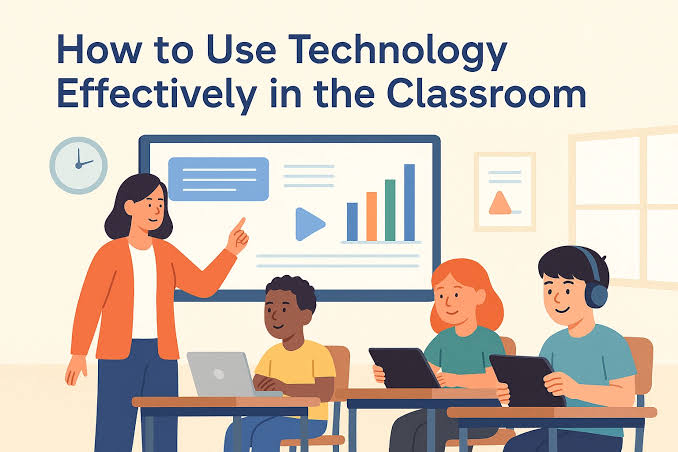
Technology is most useful when it supports a clear educational goal. Simply using a digital tool does not automatically improve learning. Teachers can start by identifying the learning objective and then selecting a suitable technology. For example, an interactive quiz may be useful for checking understanding, while a video demonstration may be better for explaining a practical process.
Teachers can also combine traditional teaching methods with digital resources. A classroom lesson can be followed by an online quiz, digital assignment, or additional video material.
Regular feedback from students can help teachers understand which tools are useful and which may create unnecessary distractions.
Challenges of Using Technology in Education
Although technology offers many benefits, it also comes with challenges.
Screen Time
Spending too much time looking at screens can cause tiredness and reduce opportunities for physical activity. Students should take regular breaks and maintain a healthy balance between digital and offline activities.
Digital Distractions
Social media, games, notifications, and entertainment can distract students while they are studying. Turning off unnecessary notifications and creating a focused study environment can help.
Internet Access
Not every student has the same access to reliable internet connections, computers, or other digital devices. Educational institutions should consider these differences when introducing technology-based learning.
Information Quality
The internet contains both reliable and unreliable information. Students should learn how to evaluate sources, check authorship, compare information, and identify trustworthy educational resources.
Privacy and Security
Educational platforms may collect student information. Schools and students should use secure accounts, strong passwords, appropriate privacy settings, and trusted educational services.
The Future of Technology in Education
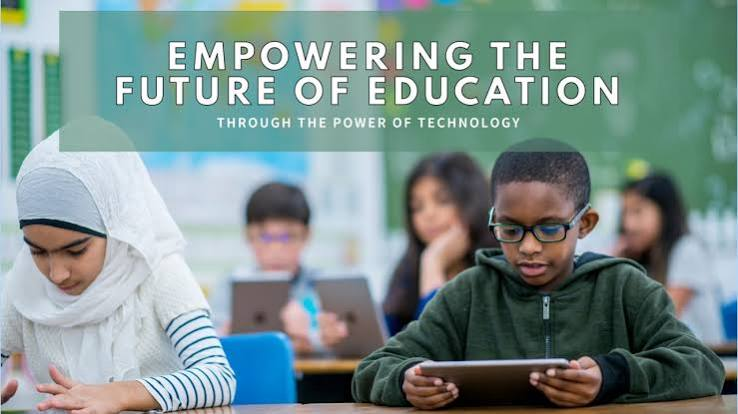
The role of technology in education is likely to continue developing. Artificial intelligence, virtual reality, augmented reality, adaptive learning platforms, and other digital technologies may provide new ways for students to learn. Artificial intelligence, for example, can support personalised explanations, practice activities, and educational feedback.
However, technology should complement teachers rather than completely replace human interaction. Teachers provide guidance, encouragement, context, and personal support that technology cannot fully reproduce. The future of education may therefore involve a combination of classroom teaching, digital resources, personalised learning, and practical experiences.
Conclusion

Technology has created many opportunities to improve student education. It can make learning more interactive, provide access to educational resources, support personalised learning, simplify communication, and encourage collaboration. It can also help students develop digital skills and access learning materials in more flexible and accessible ways.
However, technology works best when it is used thoughtfully. Students need to balance screen-based learning with practical activities, communication, and independent thinking. Teachers also play an important role in selecting appropriate tools and guiding students. When technology and effective teaching methods work together, students can gain a more flexible, engaging, and resource-rich educational experience.
FAQs

- How does technology improve student education?
Technology improves student education by making learning more interactive, accessible, flexible, and personalized. Students can use online courses, educational apps, videos, digital libraries, and interactive tools to understand subjects and practice skills. - What are the main benefits of technology in education?
The main benefits include personalized learning, easy access to information, flexible learning, faster feedback, better collaboration, interactive lessons, improved accessibility, and development of digital skills. - How does technology help students learn at their own pace?
Digital learning platforms allow students to pause lessons, repeat difficult topics, complete additional exercises, and review educational materials whenever needed. This allows students to spend more time on subjects they find challenging. - Can technology make learning more engaging?
Yes. Videos, animations, educational games, interactive quizzes, simulations, and virtual activities can make lessons more engaging and encourage students to participate actively. - Does technology replace teachers in education?
No. Technology can support teachers by providing educational resources, assessment tools, and communication platforms, but teachers continue to provide guidance, explanations, encouragement, and personal support.