

Currently Empty: ₹0.00



Uncategorized
Empowering & Joyful: Building Better Online Skills for Tomorrow in 2026
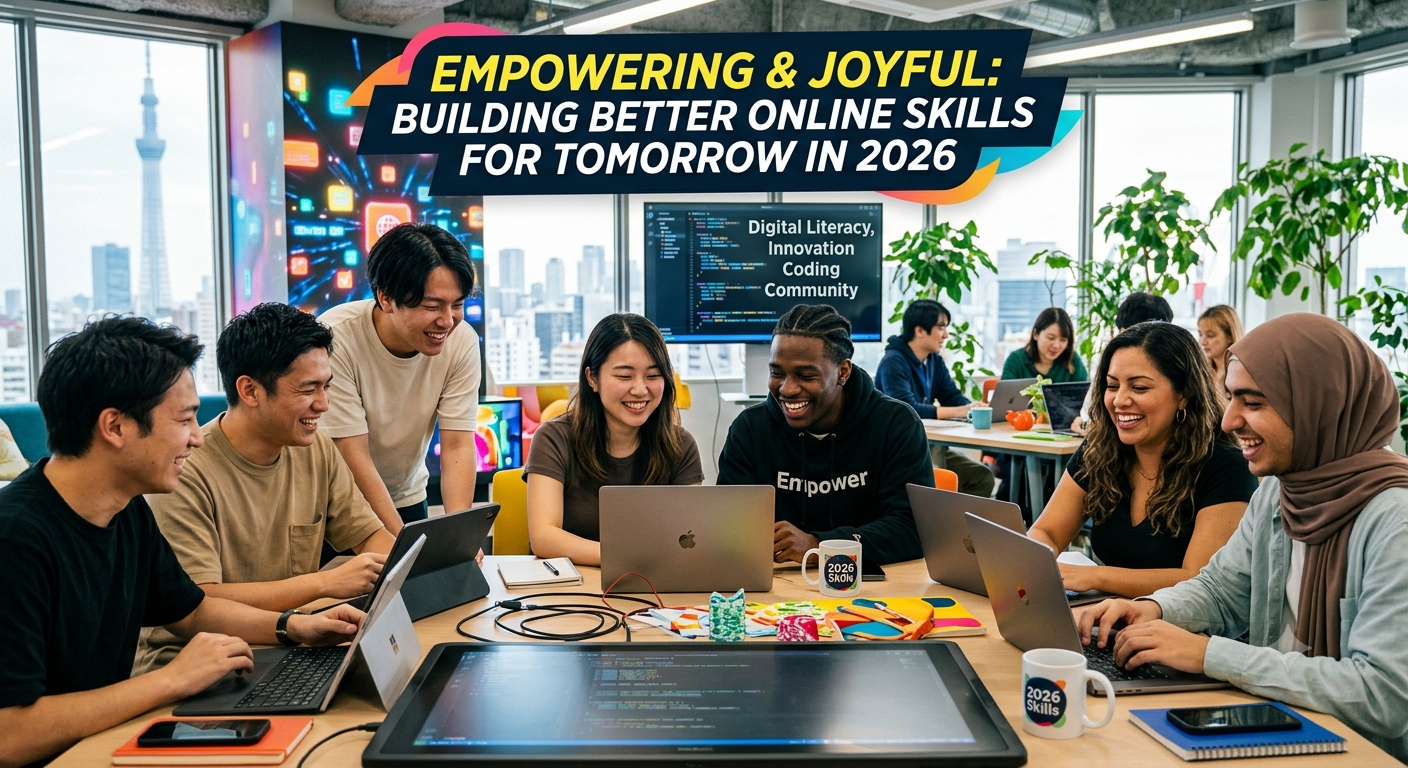
Learning online skills in 2026 is very important for a better tomorrow. Think about how much your day depends on the internet.
You might wake up & check your messages, read the news, attend an online class, join a virtual meeting, order something for your home, transfer money, watch a video, or use an app to plan your day. For many of us, being online is no longer something we do occasionally. It is simply part of everyday life.
And in 2026, the digital world is moving faster than ever.
New apps appear, existing platforms keep changing, and artificial intelligence is becoming part of everything from education and work to creativity and communication. With so much happening, it can sometimes feel as though we are expected to know everything about technology.
We aren’t.
Building better online skills isn’t about becoming a technology expert. It is about becoming more comfortable, confident, safe, and creative when using digital tools.
Most importantly, learning these skills doesn’t have to be boring or stressful. It can actually be fun. Every new thing you learn gives you a little more control over your digital life and opens the door to new possibilities.
That is what being empowered and joyful online is really about.
Table of Contents
Why Online Skills Matter in 2026?
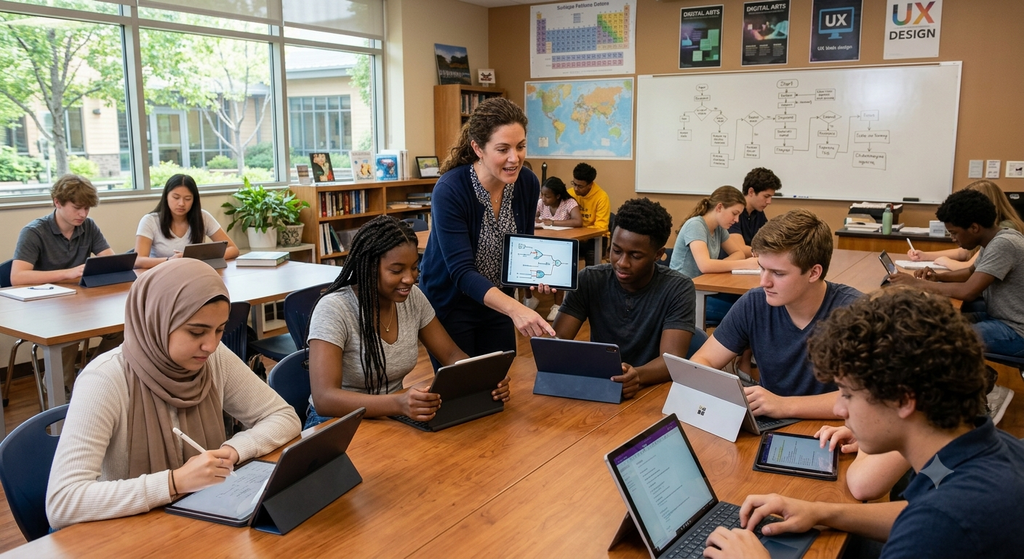
The internet has changed dramatically over the years.
It started as a way to find information and communicate. Today, it is also a classroom, workplace, marketplace, creative studio, business platform, and social space.
Students can learn from teachers and courses anywhere in the world. Professionals can work with colleagues from different countries. Small businesses can reach customers without needing a large physical store. Freelancers can find clients online, and creators can share their work with audiences they may never have reached through traditional channels.
Even everyday tasks increasingly happen online.
This makes digital skills incredibly valuable.
But digital skills aren’t just about knowing which button to press. They include knowing how to find trustworthy information, communicate professionally, protect personal data, recognize scams, use digital tools efficiently, and adapt when technology changes.
And technology will continue to change.
That’s why the most useful digital skill may simply be knowing how to learn something new.
Start With Confidence, Not Fear
Have you ever opened a new app and immediately felt lost?
You’re certainly not alone.
Technology can be scary, especially when an application has dozens of buttons, settings, and features you’ve never seen before. Some people avoid exploring new tools because they’re worried they’ll accidentally delete something or change a setting they can’t fix.
But making mistakes is part of learning.
Instead of thinking, “I’m not good with technology,” try thinking, “I haven’t learned this yet.”
That small change in attitude can make a huge difference.
You don’t need to learn everything at once. Start with something useful in your everyday life. Maybe you want to learn how to organize your files, use cloud storage, create a better presentation, manage your online accounts, or participate confidently in video meetings.
Once you learn one thing, try another.
Become Smarter About the Information You See Online

The internet gives us an incredible amount of information. The challenge is figuring out which information deserves our trust.
Every day, we come across news stories, social media posts, videos, advertisements, reviews, forwarded messages, blogs, and AI-generated content. Some are accurate. Some are outdated. Others may be misleading or completely false.
This is why learning how to question information is such an important digital skill in 2026.
Before believing or sharing something important, take a moment to ask:
Who created this?
Is the source trustworthy?
When was it published?
Is there evidence to support the claim?
Can I find the same information from another reliable source?
These questions don’t take long, but they can save you from making poor decisions or accidentally spreading misinformation.
It is also worth being careful with content that immediately makes you angry, frightened, or extremely excited. Strong emotions can sometimes make us react before we stop to think.
Being digitally smart doesn’t mean doubting everything. It means learning to pause, check, and think.
Getting Comfortable With Artificial Intelligence

Artificial intelligence has quickly become one of the biggest parts of the digital conversation.
In 2026, many people are using AI tools to write drafts, brainstorm ideas, summarize information, learn new subjects, organize tasks, create images, explore business ideas, and assist with everyday work.
For someone who uses technology regularly, learning the basics of AI can be incredibly useful.
But there’s an important point to remember: AI isn’t perfect.
It can provide information that sounds convincing but is incorrect. It can misunderstand a question or leave out important context. That’s why we shouldn’t simply accept everything an AI tool produces.
Think of AI as an assistant rather than an unquestionable authority.
Give it clear instructions. Tell it what you actually need. Ask it to explain things differently when necessary. Check important facts yourself, especially when dealing with financial, legal, medical, academic, or professional information.
And be careful about what personal or confidential information you share with online tools.
The real skill isn’t simply knowing how to use AI. It’s knowing how to use it thoughtfully.
Make Online Safety Part of Your Routine
Being confident online also means knowing how to protect yourself.
You don’t have to be a cybersecurity expert to develop good online safety habits. A few simple practices can make a meaningful difference.
Use strong, unique passwords. Turn on multifactor authentication where possible. Keep your devices and software updated. Be cautious when clicking unexpected links or opening attachments.
And if something online feels suspicious, slow down.
Scammers often try to create panic. You might receive a message claiming that your bank account will be blocked, your package cannot be delivered, or an important payment must be made immediately.
Don’t let urgency make the decision for you.
If a message asks for your password, payment information, verification code, or other sensitive details, verify it independently. If you’re unsure, contact the organization through an official website or phone number rather than using the contact details provided in the suspicious message.
Privacy matters too.
Before sharing something online, ask yourself a simple question: Does everyone who can see this really need to know it?
A little caution today can prevent a lot of trouble later.
Turn Digital Skills Into Career Opportunities
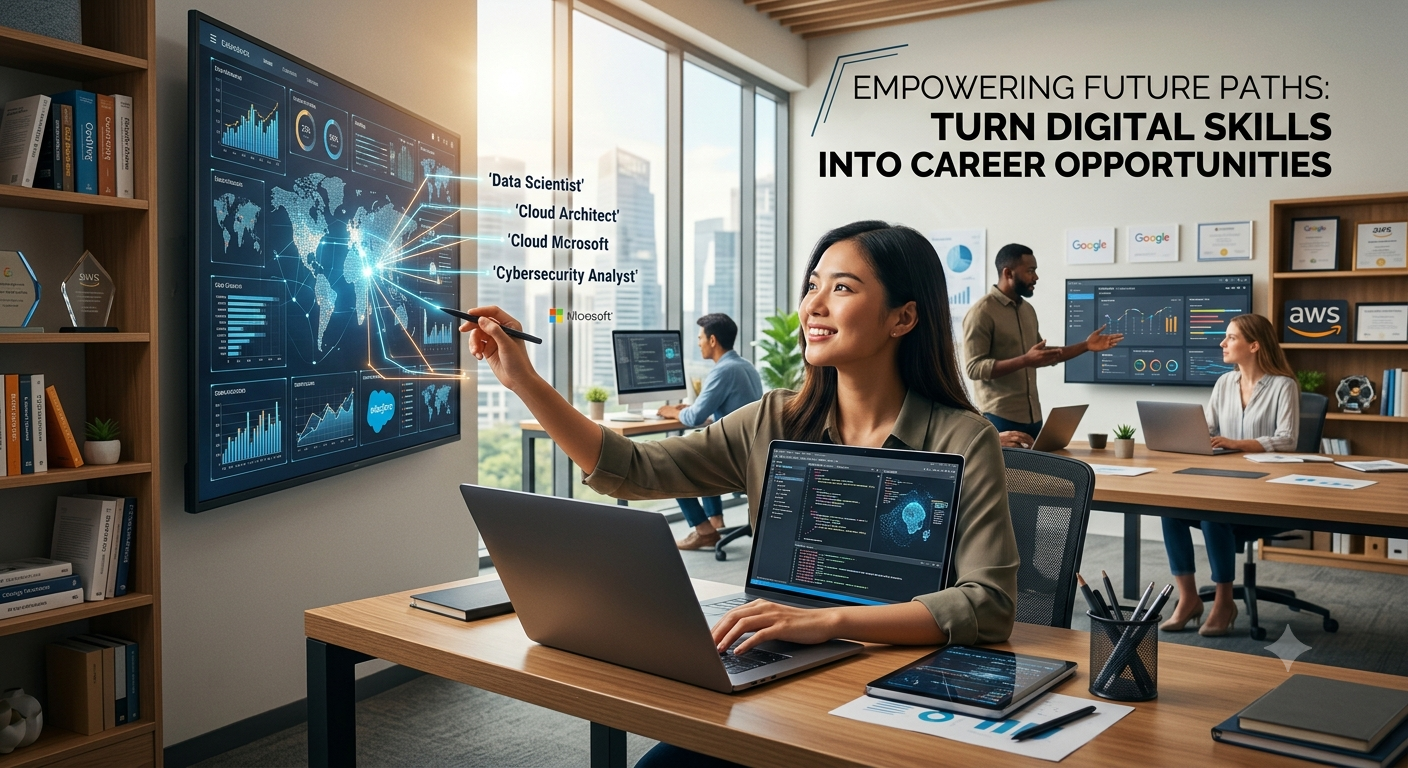
One of the most exciting things about digital skills is how many doors they can open.
You don’t necessarily need to work in technology to benefit from technology.
Modern workplaces use digital tools for communication, collaboration, project management, customer service, marketing, data, presentations, and everyday administration.
If you’re looking for a job, developing strong digital skills can make you more confident in applying for roles that require online communication or software experience.
You can also use the internet to showcase what you can do.
A digital portfolio, professional profile, personal website, or collection of completed projects can tell potential employers or clients much more than a list of qualifications alone.
For entrepreneurs, digital tools can make it easier to promote products, communicate with customers, accept payments, manage information, and reach people beyond their local area.
The key is not to chase every new technology.
Instead, focus on skills that travel with you—communication, problem-solving, collaboration, research, creativity, organization, and the ability to learn unfamiliar tools.
Those skills will remain useful even when today’s favorite apps are replaced by something new.
Conclusion
Becoming better at using technology isn’t about keeping up with every trend.
It’s about feeling confident enough to explore.
It’s about knowing how to protect yourself, find useful information, communicate clearly, solve problems, and make technology work for you.
Most importantly, it’s about recognizing that you are capable of learning new things—even when they initially seem complicated.
The digital world will keep changing. There will always be a new app, a new platform, a new AI tool, or a new way of doing things.
And that’s okay.
You don’t need to know everything today.
Start with one skill. Learn one new tool. Ask one question. Create one small project. Improve one online safety habit.
Then do it again tomorrow.
Because digital empowerment isn’t about becoming perfect. It’s about becoming more capable, one step at a time.
In 2026, better online skills can help us work smarter, learn more freely, stay safer, connect with others, and discover opportunities we may never have imagined. When we approach technology with curiosity instead of fear, the digital future can be not only more empowering—but genuinely joyful.
FAQs
The following are the Empowering & Joyful: Building Better Online Skills for Tomorrow in 2026 FAQs:
Q. What are online skills?
A. Online skills are the abilities that help people use digital tools confidently, safely, and effectively. They include searching for information, communicating online, managing digital accounts, protecting personal data, creating content, using productivity tools, and understanding technologies such as AI.
Q. Why are digital skills important in 2026?
A. Digital technology is now part of education, work, communication, business, entertainment, and everyday services. Strong digital skills can help people take advantage of opportunities while making safer and more informed choices online.
Q. How can a beginner improve their digital skills?
A. Start small. Learn practical skills that are useful in your everyday life, such as managing files, using email, creating strong passwords, joining video calls, searching for reliable information, or using productivity tools. Regular practice is more effective than trying to learn everything at once.
Q. How can I use AI responsibly?
A. Use AI as a helpful tool rather than treating it as a perfect source of information. Check important facts, avoid sharing unnecessary sensitive information, give clear instructions, and use your own judgment when reviewing AI-generated content.
Q. How can digital learning become more enjoyable?
A. Choose projects that genuinely interest you. Instead of learning a tool just because you think you should, use it to create something you care about. Set small goals, learn with others, experiment freely, and don’t be afraid of mistakes.
Degree vs Skills: What Matters More for Career Success 2026?
[…] Today, you’ll find people with impressive degrees struggling to find the right job, while others without traditional degrees are building successful careers through practical skills, experience, freelancing, entrepreneurship, or online learning. […]