

Currently Empty: ₹0.00



Uncategorized
How Powerful Online Learning Platforms Are Transforming Education in 2026

Introducing how powerful online learning platforms are transforming education in 2026 with smart tools, global access, and inspiring innovations that make learning easier, faster, and more engaging for students everywhere.
Table of Contents
Introduction to Online Learning Platforms

Online learning platforms are opening new doors for students and teachers across the world. These platforms make education more flexible, allowing learners to study at their own pace and from any location.
With simple access through mobile devices and computers, knowledge is no longer limited to classrooms but is available everywhere.
Digital platforms are reshaping education by connecting learners with high‑quality resources and instructors globally. They provide interactive lessons, smart tools, and personalized learning paths that help students stay motivated and achieve better results.
The ease of use and wide reach of online learning platforms ensure that education is inclusive, breaking barriers for people in remote areas or those with busy schedules.
By 2026, the growth of online learning platforms shows how technology can inspire students, improve study habits, and create equal opportunities for everyone.
This transformation is not just about convenience as it’s only about building a future where education is accessible, engaging, and empowering for learners worldwide.
Why Powerful Platforms Inspire Students?

Online learning platforms are giving students new reasons to feel motivated and confident. These platforms are designed to make learning simple, engaging, and accessible, which helps students stay focused and excited about their studies.
By offering interactive lessons, clear progress tracking, and personalized learning paths, they create a positive environment where learners feel supported and inspired.
The impact of online learning platforms goes beyond convenience. They encourage students to take charge of their education, building self‑confidence as they achieve goals step by step.
Features like instant feedback, gamified lessons, and global communities make learning more enjoyable and less stressful. This sense of engagement keeps students motivated, turning study time into a rewarding experience.
Most importantly, these platforms inspire students by showing them that education is not limited by place or time. Whether someone is in a busy city or a remote village, online learning platforms provide equal access to knowledge. This empowerment builds confidence and helps learners believe in their ability to succeed, no matter where they are.
How Smart Tools Transform Study Habits?
Smart tools are changing the way students learn and study. With the help of AI‑driven personalization, learners receive lessons that match their pace and style. This makes studying smoother and less stressful, as students can focus on areas where they need more practice while moving quickly through topics they already understand.
Adaptive learning systems are another powerful feature of modern platforms. They adjust content in real time, guiding students step by step and offering support when needed. This flexibility helps learners build stronger habits, stay consistent, and feel more confident about their progress.
Smart tools also bring productivity boosts by reducing distractions and organizing study schedules. Features like reminders, progress tracking, and interactive exercises keep students engaged and motivated. By making learning simple and efficient, these tools encourage better focus and long‑term success.
Together, these innovations show how technology is reshaping education. With clean design and easy access, smart tools are helping students everywhere build study habits that are effective, enjoyable, and empowering.
What Global Access Means for Education?

Global access in education is breaking barriers that once kept many learners away from opportunities. With the rise of online learning platforms, students from remote areas and underserved communities can now connect to the same resources as those in big cities. This shift ensures that education is no longer limited by geography or financial background but is open to anyone with a device and internet connection.
For remote learners, online learning platforms provide a chance to study subjects that may not be available locally. They can join virtual classrooms, access digital libraries, and interact with teachers worldwide. This equal access helps them build confidence and stay motivated, knowing they are part of a larger learning community.
Underserved communities also benefit greatly from global education access. Affordable courses, free resources, and flexible schedules make learning possible for students who might otherwise miss out. These platforms inspire learners by showing that knowledge is within reach, no matter where they live or what challenges they face.
By breaking these barriers, online learning platforms are reshaping education into a system that is inclusive, inspiring, and empowering. Global access means every student has the chance to learn, grow, and succeed in 2026.
Future Trends in Online Learning Platforms

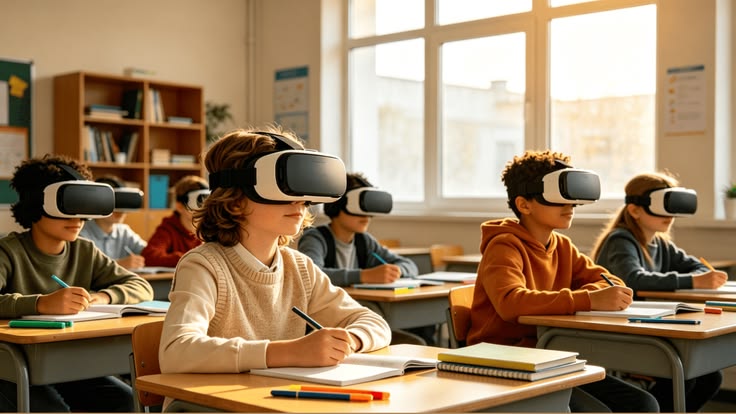
In the future, immersive VR classrooms will play a big role in education. They allow students to feel like they are inside a real classroom, even if they are miles away. This is important because it makes learning more engaging and interactive. Instead of just reading or watching, students can experience lessons in a way that feels real. This will be helpful because it keeps learners interested and makes complex topics easier to understand.
Gamified learning is another trend that will shape study habits. By turning lessons into games, students can enjoy learning while staying motivated. This is important because it reduces stress and makes studying fun. It will be helpful in the future as it encourages students to keep practicing and improving without feeling bored or pressured.
Sustainability is also becoming a key part of online learning platforms. Digital education reduces the need for printed books and physical travel, which helps the environment. This is important because it shows that education can grow while still being responsible. In the future, this will be helpful as more schools and learners look for eco‑friendly ways to study and share knowledge.
Together, these innovations show why online learning platforms are transforming education. They make learning more engaging, enjoyable, and sustainable. By 2026 and beyond, these trends will inspire students everywhere and create a future where education is accessible, interactive, and responsible.
Challenges and Opportunities in Online Learning
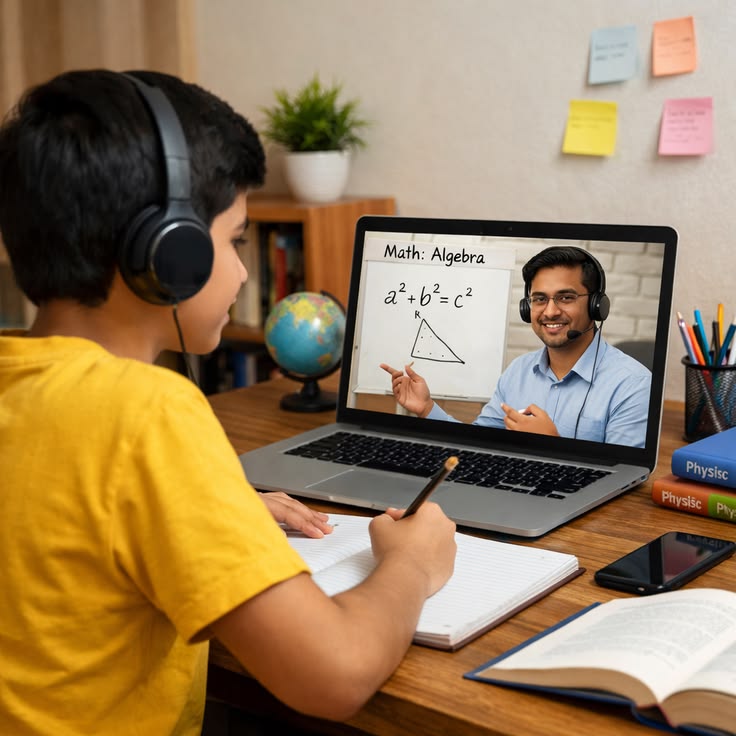
One of the main challenges in online learning is the lack of face‑to‑face interaction. Many students miss the personal connection with teachers and classmates, which can sometimes make learning feel less engaging. This can also affect motivation, as some learners find it harder to stay focused without the structure of a traditional classroom.
Another challenge is access to technology and stable internet. While digital education is growing quickly, not all students have the same resources. Learners in remote or underserved areas may struggle to connect, which creates gaps in opportunities. Addressing this issue is important to ensure that education remains fair and inclusive.
At the same time, there are many opportunities. Online platforms make it possible for students to learn from anywhere, at any time. This flexibility allows learners to balance studies with work or personal commitments. It also opens doors to courses and subjects that may not be available locally, giving students more choices and freedom in their education.
Another opportunity is the use of smart tools and interactive features. These tools help students build better study habits, stay motivated, and enjoy learning more. They also allow teachers to reach a wider audience and share knowledge globally. This creates a future where education is more connected, personalized, and accessible.
Overall, while challenges exist, the opportunities in online learning are powerful. By solving issues of access and engagement, digital education can continue to inspire students and reshape how knowledge is shared worldwide.
Final Thoughts: Inspiring Growth Through Digital Learning

Embracing online learning platforms has become one of the most important steps for students, teachers, and institutions worldwide. These platforms provide flexibility, allowing learners to study at their own pace and from any location. By removing barriers of distance and time, they make education more inclusive and accessible to everyone.
The success of online learning platforms lies in their ability to inspire growth. They offer personalized learning paths, interactive tools, and global communities that keep students motivated and engaged. This not only improves study habits but also builds confidence, showing learners that they can achieve their goals no matter where they are.
Looking ahead, the role of online learning platforms will continue to expand. With innovations like AI‑driven personalization, immersive experiences, and sustainable practices, digital learning is shaping a future where education is smarter, greener, and more connected.
By embracing these platforms today, learners and educators are preparing for success in a world that values adaptability, knowledge, and innovation.
Ultimately, the growth of online learning platforms in 2026 is more than a trend as it is a movement toward a brighter, more empowered future. Choosing digital learning means choosing opportunity, inspiration, and success.
FAQs
What are online learning platforms?
Online learning platforms are digital tools that allow students to access courses, lessons, and study materials from anywhere using the internet.
Why are online platforms important?
They make education flexible, accessible, and inclusive, helping students learn at their own pace and location.
How do smart tools improve study habits?
Smart tools personalize lessons, track progress, and keep learners motivated with interactive features.
What is global access in education?
Global access means students from any part of the world, including remote areas, can connect to quality education resources online.
What future trends will shape online learning?
Innovations like VR classrooms, gamified lessons, and eco‑friendly practices will make learning more engaging and sustainable.