

Currently Empty: ₹0.00



Uncategorized
5 Inspiring Benefits of eBooks vs Traditional Reading
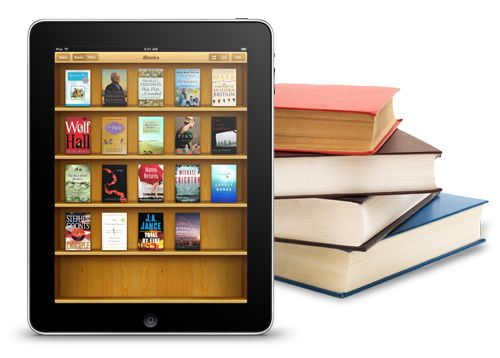
Discover the 5 inspiring benefits of eBooks vs. traditional reading. Learn how eBooks offer instant accessibility, cost‑effective options, portability, enhanced digital features, and eco‑friendly advantages while complementing the timeless charm of traditional reading.
Table of Contents
Introduction: The Rise of eBooks
Reading has always been a favorite way to learn and relax, but the way we read has changed over time. Today, eBooks are becoming more popular because they are easy to access and carry. Unlike traditional reading with physical books, eBooks allow people to download and enjoy stories or study materials instantly. This shift has transformed reading habits, making it more convenient, affordable, and eco‑friendly. Still, traditional reading holds a special place for many, offering the feel of paper and the joy of turning pages. Together, eBooks and traditional reading show how reading continues to inspire people in different ways.
Instant Accessibility
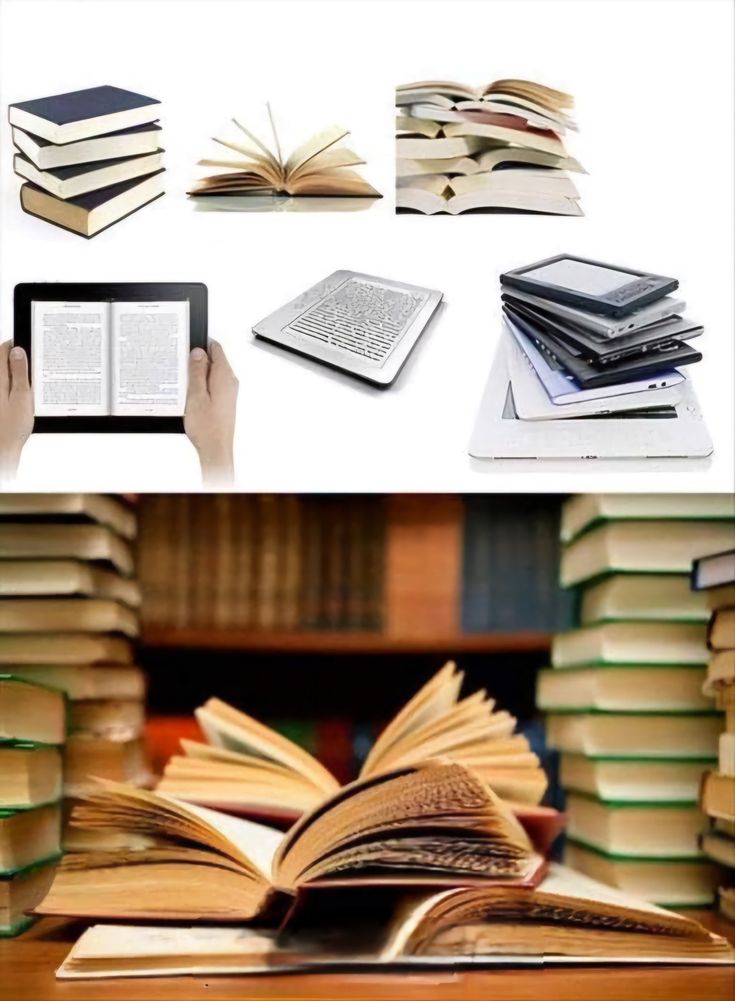
One of the most inspiring benefits of eBooks is their instant accessibility. With just a few clicks, readers can download an eBook and start reading immediately, whether they are at home, traveling, or even late at night when stores are closed. This convenience makes eBooks a perfect choice for students, professionals, and book lovers who want quick access to knowledge and entertainment.
In comparison, traditional books require more effort to obtain. You need to visit a bookstore, wait for shipping, or borrow from a library, which can take hours or even days. While traditional reading offers the joy of holding a physical book and turning its pages, it cannot match the speed and ease of eBooks. This difference shows how digital reading has transformed habits, giving readers the freedom to enjoy books instantly without delay.
Cost‑Effective Reading
eBooks are known for being more affordable than printed books. Many digital platforms offer free titles, discounted collections, or subscription services that give readers access to thousands of books at a low monthly cost. This makes eBooks a smart choice for students, professionals, and book lovers who want to enjoy more content without spending too much.
In contrast, traditional reading often comes with higher expenses. Physical books require printing, binding, shipping, and storage, which increases their price. For readers who buy multiple books regularly, these costs can add up quickly. While traditional reading offers the joy of owning a physical copy, it is not always the most budget‑friendly option.
Another advantage of eBooks is the ability to find instant deals and promotions online. Many publishers release digital versions at lower prices compared to hardcovers or paperbacks. Readers can also access free classics and educational materials, making eBooks a valuable resource for learning and entertainment at little or no cost.
Traditional reading, however, provides the satisfaction of building a personal library and collecting books as keepsakes. Yet, when comparing affordability, eBooks clearly stand out as the cost‑effective choice. This difference shows how digital reading has opened doors for more people to access knowledge and stories without financial barriers.
Portability & Convenience

One of the most inspiring advantages of digital reading is its portability. With just one device, such as a smartphone, tablet, or e‑reader, readers can carry hundreds or even thousands of books wherever they go. This makes it extremely convenient for students, travelers, and professionals who want access to their materials anytime, without worrying about extra weight or space.
In contrast, physical books can be less convenient. Carrying multiple titles in a bag can be heavy and take up space, especially when traveling. Readers often have to choose only a few books to bring along, limiting their options. While printed books provide the joy of flipping through pages, they lack the ease of portability that digital formats offer.
Another benefit of digital reading is the ability to switch between titles instantly. Whether you want to read a novel, a study guide, or a magazine, all your content is stored in one place. This flexibility saves time and effort, making it a practical choice for people with busy lifestyles. Physical books, on the other hand, require carrying separate copies, which can be inconvenient when variety is needed.
Finally, digital formats also provide convenience through features like adjustable fonts, built‑in dictionaries, and bookmarking tools. These options make reading more comfortable and personalized. Printed books offer a tactile experience and the pleasure of owning a physical copy, but they cannot match the convenience and portability of digital reading. Together, these differences highlight why modern habits are shifting toward digital formats.
Enhanced Digital Features
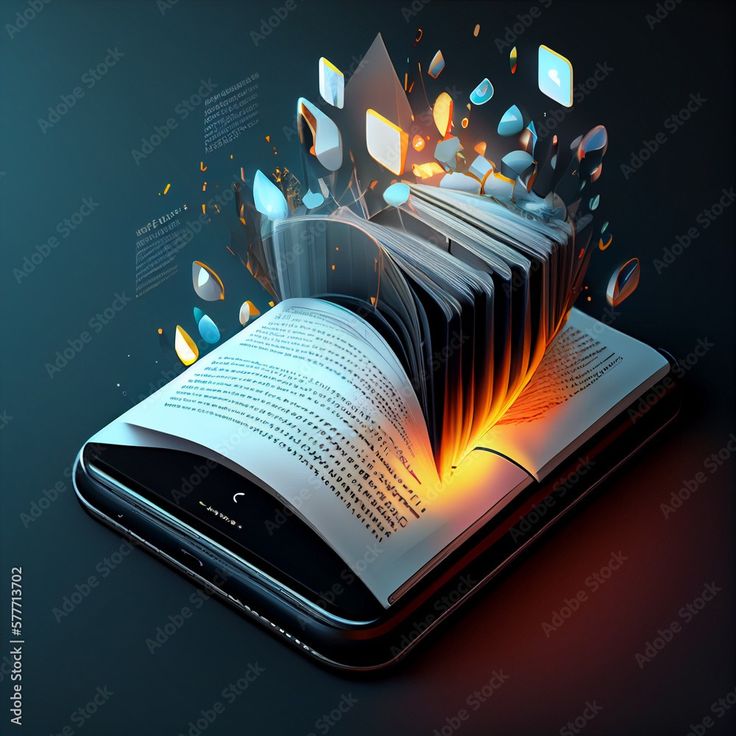
One of the most exciting advantages of eBooks is the wide range of digital features they offer. Readers can adjust font size, change background colors, and even switch to night mode for comfortable reading. These options make eBooks more accessible to people of all ages, especially those who may struggle with small print in traditional books.
In contrast, traditional reading provides a fixed format. The font size, layout, and design cannot be changed, which may limit comfort for some readers. While physical books offer the pleasure of holding and flipping pages, they lack the flexibility that eBooks bring to the reading experience.
Another benefit of eBooks is the inclusion of interactive tools. Built‑in dictionaries, highlighting options, and note‑taking features allow readers to learn and engage more deeply with the content. Some eBooks even include audio support or links to additional resources, making them a powerful tool for study and entertainment. Traditional reading, however, requires separate tools like dictionaries or notebooks, which can be less convenient.
Finally, eBooks enhance accessibility for diverse readers. Features like text‑to‑speech help those with visual impairments, while instant translations make global content easier to understand. Traditional reading remains valuable for its tactile experience and emotional connection, but eBooks clearly stand out when it comes to enhanced digital features that improve convenience, learning, and personalization.
Eco‑Friendly Choice
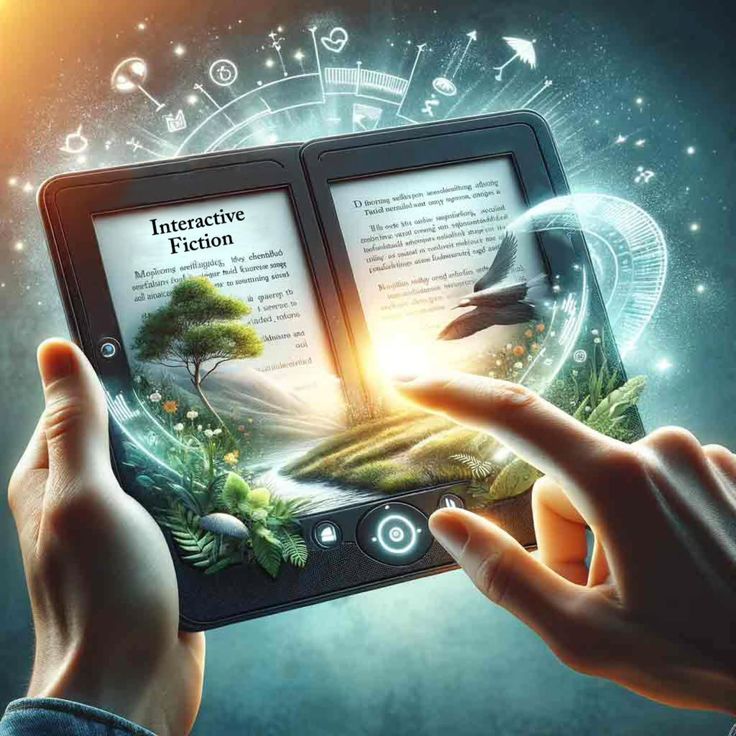
One of the most inspiring benefits of digital reading is its eco‑friendly nature. Since books are stored electronically, they do not require paper, ink, or physical shipping. This reduces the demand for cutting down trees and lowers the carbon footprint linked to book production. Choosing digital formats allows readers to enjoy their favorite titles while supporting a greener planet.
In contrast, printed books depend on paper, printing, and transportation. Each copy requires resources that contribute to deforestation and energy use. While physical books offer the joy of holding and turning pages, they have a greater environmental impact compared to digital versions.
Another eco‑friendly advantage of digital reading is the reduction of waste. Electronic books do not wear out or get damaged in the same way physical copies do, and they don’t require storage space. Readers can keep thousands of titles on a single device without clutter, making this format both sustainable and practical.
Printed books, however, continue to hold emotional and cultural value. Many readers love the feel of paper and the experience of building a personal library. Yet, when it comes to sustainability, digital reading clearly stands out. This difference shows how modern formats not only transform habits but also contribute positively to protecting the environment.
The Cultural Impact and Future of Reading Formats

Reading formats have always shaped the way people learn, share ideas, and enjoy stories. Printed books have influenced culture for centuries, becoming symbols of knowledge, tradition, and personal connection. At the same time, digital formats have introduced new ways of accessing information, changing how education and lifestyles adapt to modern needs.
The cultural impact of reading formats can be seen in classrooms, libraries, and homes. Physical books often represent heritage and emotional value, while digital formats encourage faster learning and wider access. Together, they show how reading continues to evolve while still holding deep meaning in society.
Looking ahead, the future of reading is becoming even more dynamic. Digital formats are expected to include advanced personalization, interactive features, and tools that make learning easier for everyone. These innovations will allow readers to enjoy content in ways that are more engaging and tailored to their preferences.
Global accessibility is also a key part of the future. With technology, people across different regions can access books instantly, breaking barriers of distance and availability. This balance between tradition and innovation highlights how reading formats will continue to inspire and connect people worldwide.
Balancing Reading Formats and Reader Habits

Reading today is shaped by both modern technology and timeless traditions. Many people enjoy the convenience of digital formats, where books can be carried easily and accessed instantly. At the same time, others still value the emotional connection of holding a printed book and turning its pages. Balancing these two styles allows readers to experience the best of both worlds.
Different age groups and communities often show unique preferences. Younger readers may lean toward digital options because of their portability and interactive features, while older generations often remain attached to the comfort and familiarity of printed books. These choices reflect how reading habits are influenced by lifestyle and personal taste.
The balance between formats also depends on context. Students may prefer digital versions for quick access to study materials, while families may choose printed books for shared reading experiences. Each format brings its own strengths, and together they enrich the culture of reading.
Ultimately, the way people choose to read highlights diversity in habits and values. Some prioritize convenience, while others cherish tradition. This variety shows that reading continues to evolve, offering flexibility and meaning across different communities and generations.
Conclusion

Reading continues to inspire people in different ways, whether through digital formats or printed books. Each style offers unique strengths, it brings convenience, affordability, and modern features, while traditional reading provides emotional value and cultural connection.
Together, they show that the future of reading is not about choosing one over the other, but about enjoying both formats in balance. This harmony allows readers to experience the speed and accessibility of technology while still cherishing the timeless joy of turning pages.
FAQs
What are eBooks?
eBooks are digital versions of books that can be read on devices like phones, tablets, or e‑readers.
How is traditional reading different?
Traditional reading means using printed books, which you can hold, flip through, and keep on a shelf.
Are ebooks cheaper than printed books?
Yes, eBooks are often more affordable, and many platforms even offer free titles.
Can I carry many eBooks at once?
Absolutely. A single device can store hundreds of eBooks, making them easy to carry anywhere.
Do eBooks help the environment?
Yes, eBooks save paper and reduce printing, making them a more eco‑friendly choice.
Which format is better for learning?
Both can be useful eBooks offer quick access and tools like dictionaries, while printed books give a traditional study feel.