

Currently Empty: ₹0.00



Uncategorized
5 Unique Ways Virtual Learning Shapes Our Careers
Introduction
In this age of AI and remote work, virtual learning has emerged as a key differentiator for colleges and universities. Not only can we work remotely and assign our complex tasks to AI agents, but we can also learn almost anything virtually. This not only helps us shape our careers but also provides us with an opportunity to embrace our curiosity.
Layoffs are the new nuclear weapons that companies are using to safeguard themselves. Employees are the casualties. The only way to emerge victorious is to learn, adapt, and thrive with whatever you have got. This is where virtual learning comes to your safety. You get a legitimate college experience with classes, doubt sessions, peer group, and placements. Employees are making themselves layoff-safe by using virtual learning as their safety jacket. It’s high time you started using it, too.
Table of Contents
History of Virtual Learning: Where Did It All Start?

It did not start with Zoom calls and YouTube tutorials. It started with a letter.
In 1840, Sir Isaac Pitman mailed shorthand lessons to his students through the postal service. They mailed back their completed exercises. That was the first recorded instance of distance education. Simple and effective. Revolutionary for its time.
Fast forward to the 1960s. Universities began experimenting with television-based instruction. Recorded lectures were broadcast to students sitting miles away from the classroom. It felt futuristic then. It feels ordinary now.
Then came the internet. Everything changed overnight.
The 1990s gave birth to the first Learning Management Systems, or LMS platforms. Blackboard and WebCT were among the earliest. Professors could upload course material. Students could access it from home. The digital classroom was born.
By the 2000s, MIT changed the game entirely. They launched OpenCourseWare in 2001 — making their course material available to anyone, for free. No enrollment. No tuition. Just knowledge, accessible to the world.
Then came the 2010s. Coursera, edX, and Udemy arrived. Suddenly, a student in Africa could take a data science course taught by a Stanford professor. The gap between top-tier education and the rest of the world began to close.
And then, 2020 happened.
COVID-19 forced the entire world into virtual classrooms. Schools, colleges, and corporations had no choice. What was once considered a supplement to traditional learning became the only option. Millions discovered that it actually worked.
Today, virtual learning is not a backup plan. It is the plan.
Why Does It Matter Now More Than Ever?
Look at the biggest names in Tech – Google, Microsoft, Meta, Amazon, and many more. They are laying off people left, right, and center. Why? To cut costs and invest in AI infrastructure.
Jobs are expensive. Automation is cheaper. And every time a new AI tool enters the market, a few more job roles become redundant.
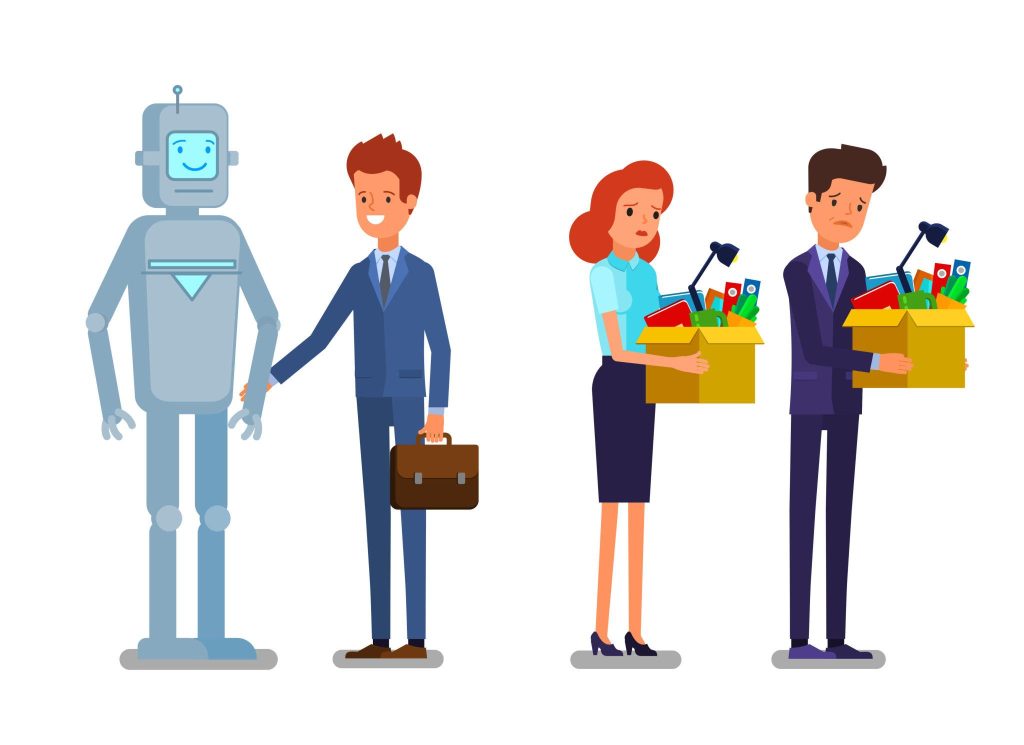
The question is not whether layoffs will happen. The question is whether you will be ready when they do.
Upskilling is no longer a career bonus. It is career insurance. And virtual learning is the most accessible, affordable, and flexible way to get there.
Here are five ways it is actively shaping careers today.
1. It Gives You Skills That Your Degree Did Not
Your degree got you in the door. But the door keeps changing.
A marketing degree from five years ago did not include performance marketing, AI-generated content, or programmatic advertising. An engineering degree from a decade ago did not touch cloud infrastructure or machine learning pipelines.
The curriculum in most colleges moves slowly. Industry moves fast. That gap is where careers stall.
Virtual learning bridges that gap in real time. Platforms like Coursera, LinkedIn Learning, and Google Career Certificates update their course content as industries evolve. You are not learning what was relevant five years ago. You are learning what employers are hiring for right now.
A customer service executive can add a data analytics certification in twelve weeks. A sales professional can learn CRM automation without leaving their current job. An HR manager can get certified in people analytics over the weekend.
The degree opens the door. Virtual learning keeps you walking through it.
2. It Lets You Learn Without Quitting Your Life

Traditional education comes with a price. Not just money but time as well.
A two-year MBA means two years away from your income, your family, and your career momentum. Not everyone can afford that pause. Not everyone should have to.
Virtual learning removes that condition entirely.
You learn on your schedule. Early mornings before the office. Late nights after dinner. Weekends between errands. The course does not care when you show up. It waits.
This flexibility is not just convenient. It is transformative.
An employee facing job insecurity cannot afford to stop working to go back to school. But they can spend forty-five minutes a night building a new skill. Over six months, those forty-five-minute sessions add up to a certification, a portfolio, and a new career direction.
Virtual learning does not ask you to choose between your present and your future. It lets you build both simultaneously.
3. It Makes High-Quality Education Affordable
Quality education used to be a privilege. It was locked behind expensive tuition and competitive entrance exams.
That lock has been broken.
A Google Data Analytics Certificate costs under twenty dollars a month on Coursera. A full-stack web development course on Udemy goes on sale for under five hundred rupees. Harvard’s CS50: one of the most respected introductory computer science courses in the world is just free.
For an employee worried about losing their job, expensive re-education is not an option. But affordable, credible upskilling is.
The return on investment is staggering. Spend three thousand rupees on a certification. Use that certification to land a job that pays thirty thousand rupees more per month.
Virtual learning levels the playing field. The child of a factory worker and the child of a CEO now have access to the same Stanford lecture. What you do with that access is up to you.
4. It Builds a Network That Opens Doors
People underestimate this. They think virtual learning is a solo activity. Headphones in. Camera off. Learn and log out. Well, that is only half the picture.
Every cohort-based program comes with peers. Every forum has professionals who are exactly where you want to be. Every live session is an opportunity to raise your hand, ask a question, and get noticed.
Some of the strongest professional networks being built today are forming inside virtual classrooms. A product manager in Bengaluru connects with a UX designer in Berlin during a shared design thinking course. They collaborate on a side project. The project becomes a portfolio piece. The portfolio piece lands them both better jobs.
Alumni networks from platforms like Emeritus, upGrad, and Great Learning are active and growing. Companies recruit directly from these pools. Hiring managers trust these certifications, and doors open.
Virtual learning does not just teach you new skills. It puts you in the same room as people who can change your career trajectory.
5. It Prepares You for Roles That Did Not Exist Yesterday
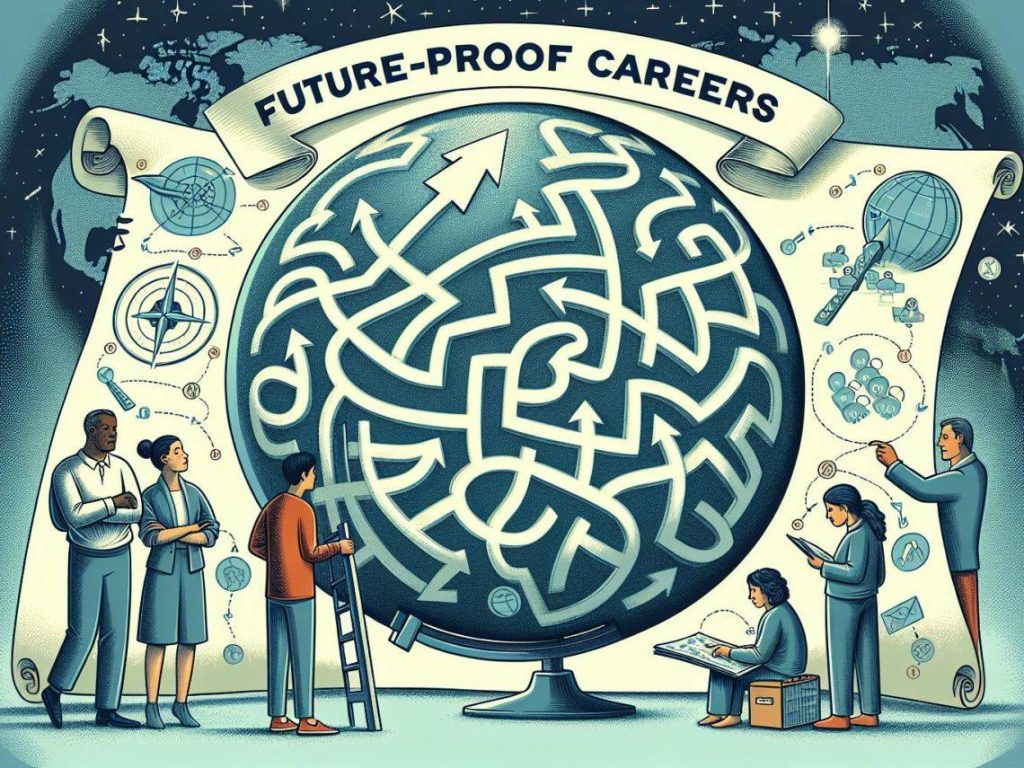
Five years ago, nobody was hiring prompt engineers. Nobody had a job title called AI Ethics Officer. Nobody had a LinkedIn profile that listed LLM fine-tuning as a skill.
Today, these are real, high-paying roles. And they are being filled by people who learned about them before anyone else did. That is the power of staying ahead.
Virtual learning platforms respond to market demand faster than any university can. When generative AI exploded in 2023, courses on ChatGPT, Midjourney, and prompt design appeared within weeks. Employees who enrolled early had a head start. By the time their peers heard about these skills, they already had them on their resumes.
The job market rewards the early adopter. Virtual learning makes it possible to be one.
You do not need to predict the future. You just need to stay curious and stay learning. The next big role in your industry is already being taught somewhere online. The question is whether you will find it before or after your competition does.
The Bottom Line
Layoffs are real, and the fear is valid. But fear without action is just anxiety.
Virtual learning is the action you need to take.
It is the most practical tool available to anyone who wants to stay relevant, stay employed, and stay ahead. It does not matter where you live, how much you earn, or what your schedule looks like. If you have a device and an internet connection, you have a classroom in your hands.
The companies that laid off thousands of employees are the same companies that are now hiring people with new-age skills. Do not wait to get fired to start learning. Start now. The best time to build a lifeboat is before the storm, not during it.
“Jobs are owned by companies. You own your career!”
By Earl Nightingale
Virtual learning is your lifeboat. Use it.
Frequently Asked Questions
Q1. Is virtual learning actually recognized by employers?
A. Yes. Certifications from platforms like Google, Coursera, and LinkedIn Learning are actively trusted by hiring managers. Many companies now recruit directly from these platforms.
Q2. How much time do I need to dedicate to virtual learning every day?
A. Even forty-five minutes a day is enough to make meaningful progress. Over a few months, that adds up to a full certification and a new skill set on your resume.
Q3. What if I am not tech-savvy enough for online learning?
A. Most platforms are built for beginners. If you can use WhatsApp or YouTube, you can navigate an online learning platform without any trouble.
Q4. Can virtual learning really protect me from layoffs?
A. No skill set makes you completely layoff-proof. But employees who keep upskilling are significantly harder to replace — and far easier to rehire if the worst does happen.
Q5. How do I choose the right course when there are thousands of options?
A. Start with the skill gap in your current role or the role you want next. Pick a course from a recognized platform, check its reviews, and make sure it ends with a certificate you can add to your LinkedIn profile.
Q6. Are free courses worth it, or should I pay for certifications?
A. Free courses like Harvard’s CS50 are absolutely worth your time. However, paid certifications from Google or IBM tend to carry more weight with recruiters, and most cost less than a single textbook.
Q7. I already have a full-time job. Is virtual learning realistic for me?
A. That is exactly who it was built for. Virtual learning has no fixed schedule — you learn at your own pace, on your own time, without putting your current income at risk.